Medical Disclaimer: The information provided on this site is for educational and informational purposes only and does not constitute medical advice. Always consult with a healthcare professional before making significant changes to your diet or lifestyle.
Starting a GLP-1 medication like semaglutide or tirzepatide changes your entire relationship with food. Your appetite shrinks, your digestion slows down, and your tolerance for heavy, sugar-laden treats vanishes. But the desire for something sweet? That rarely goes away.
Quick Answer: The best GLP-1 friendly desserts are built on a foundation of “fibermaxxing” and clean protein. By avoiding refined flours and artificial sweeteners, and instead using whole-food ingredients like black beans, chia seeds, and almond flour, you can create delicious desserts that satisfy cravings without causing nausea, bloating, or dangerous blood sugar spikes.
In this ultimate guide, we will break down exactly how to navigate your sweet tooth on a GLP-1 protocol, the ingredients you must avoid, and the functional foods you should embrace to protect your gut health and preserve your muscle mass.
Why Traditional Desserts Fail on GLP-1 Medications
GLP-1 medications work by slowing gastric emptying and mimicking the hormones that signal fullness. Because food sits in your stomach longer, eating a traditional dessert packed with refined sugar and heavy dairy is a recipe for disaster.
According to clinical nutritional studies and gastroenterology experts, overloading a delayed digestive system with high-glycemic carbohydrates almost guarantees severe nausea, acid reflux, and painful bloating. Furthermore, studies show that rapid glucose spikes can counteract the metabolic benefits of the medication.
The Two Rules of GLP-1 Baking: Protein and Fiber
To safely enjoy desserts while managing weight loss, you must follow two fundamental rules: Fibermaxxing and Muscle Preservation.
1. Fibermaxxing (The Gut Health Savior)
Constipation is one of the most widely reported side effects of GLP-1 therapies. “Fibermaxxing” the intentional act of sneaking high amounts of soluble and insoluble fiber into every meal—is your best defense. Instead of using all-purpose flour, functional bakers are turning to black beans, chickpeas, and chia seeds to create dense, fudgy textures that actively heal the gut microbiome.
2. Muscle Preservation
Rapid weight loss often results in the loss of lean muscle tissue. Every snack and dessert must pull its weight nutritionally. Ditching empty calories for protein-forward ingredients (like Greek yogurt, eggs, and collagen peptides) ensures your sweet treat is actually helping you maintain strength.
Ingredients to Embrace (and Avoid)
| 🚫 What to Avoid | ✅ What to Embrace |
|---|---|
| Refined All-Purpose Flour (Spikes sugar, zero fiber) | Black Beans / Almond Flour (High fiber, low glycemic) |
| Artificial Sweeteners / Sucralose (Disrupts microbiome) | Monk Fruit / Stevia (Natural, zero sugar spike) |
| Heavy Creams (Causes delayed-emptying nausea) | Greek Yogurt / Cottage Cheese (High protein, probiotic) |
| Cheap Whey Powders (Causes bloating and gas) | Collagen Peptides / Hemp Hearts (Clean, digestible protein) |
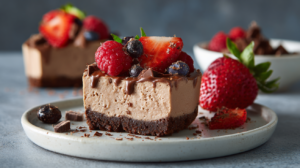
Where to Start: Our Best GLP-1 Friendly Desserts
Ready to start baking? We are constantly developing recipes specifically tailored for sensitive digestion and blood sugar stability. Start with our viral favorite:
Frequently Asked Questions (FAQ)
Can I eat sugar on Semaglutide or Ozempic?
While occasional sugar won’t ruin your diet, eating refined sugar on GLP-1 medications frequently causes severe nausea, stomach cramping, and diarrhea due to delayed gastric emptying. It is highly recommended to use natural alternatives like Monk Fruit.
What is the best dessert for a GLP-1 diet?
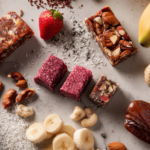
The best desserts are high in protein and fiber to stabilize blood sugar and prevent nausea. Examples include chia seed pudding, Greek yogurt bark, or flourless brownies made from black beans or almond flour.
Why do sweets make me sick on GLP-1?
GLP-1 medications slow down how fast food leaves your stomach. High-fat and high-sugar foods sitting in the stomach for prolonged periods trigger intense nausea and acid reflux.