
“`html
Discover the easiest way to make homemade applesauce that’s bursting with flavor. Perfect for snacking, baking, or freezing!
Introduction
Homemade applesauce is the perfect blend of wholesome, delicious, and customizable comfort food. Learn how to transform fresh apples into a versatile treat with this easy recipe. Whether you’re snacking, baking, or meal-prepping, this guide has everything you need for perfect applesauce every time. If you’re looking for new ways to use homemade applesauce, check out our fruit pairings and snack ideas.
Why You’ll Love This Recipe
- Flavor and Texture: Naturally sweet with options for tartness or warm spices.
- Ease of Preparation: Requires simple, everyday ingredients and no fancy tools.
- Versatility: Perfect for snacks, side dishes, or a base for baked goods and desserts. Discover more about creating easy dessert recipes with homemade applesauce.
- Family-Friendly: Loved by kids and adults alike.
- Budget-Friendly: Uses seasonal apples for a cost-effective treat.
Ingredients Needed
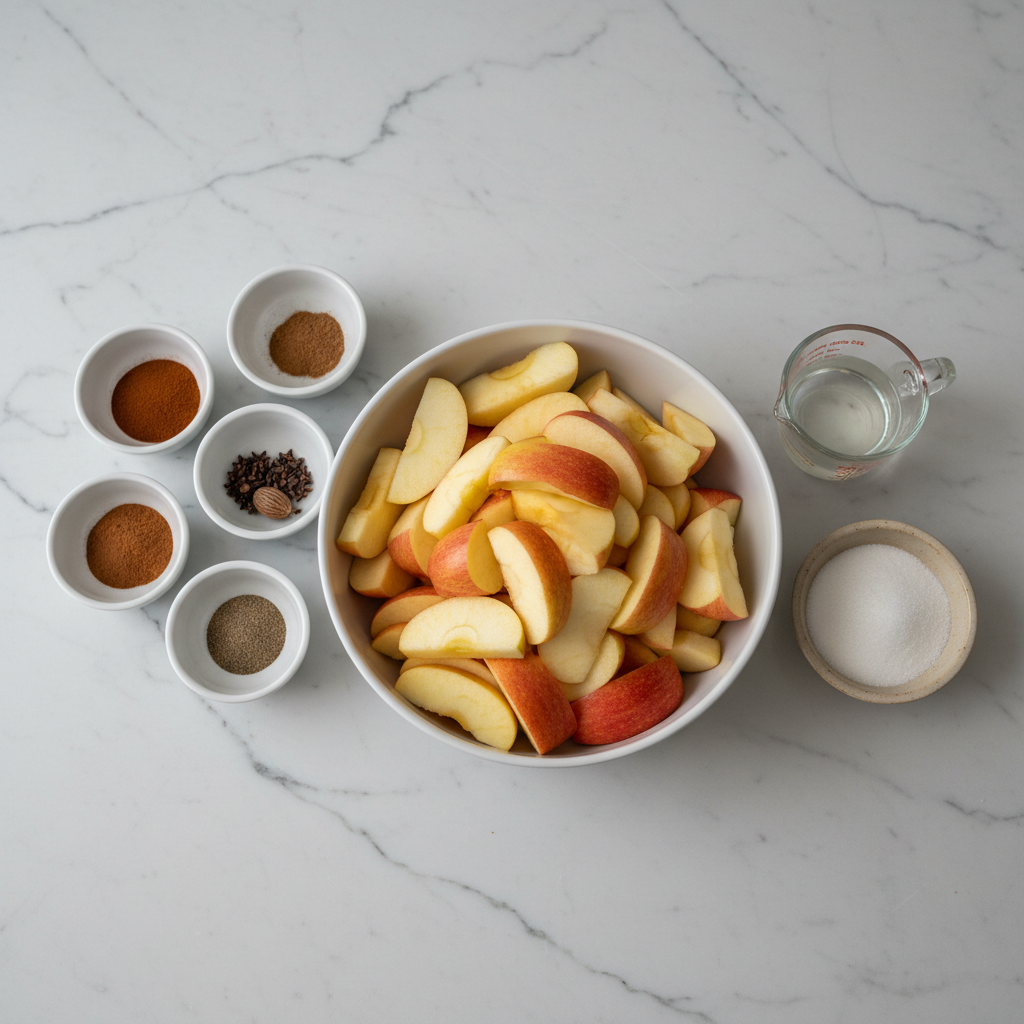
- 12 to 14 pounds Apples
- 1/4 cup Water or apple juice
- Sweetener [optional] (to taste)
- Ground cinnamon, ginger, nutmeg, cloves, allspice (Spices aren’t required, but add what you like.)
Ingredient Notes & Substitutions
Apples: Use fresh, firm apples for the best flavor and texture. Granny Smith apples are great for tartness, while Honeycrisp offers natural sweetness.
Optional Spice Additions: Cinnamon is a classic choice, but for added depth, try ginger or nutmeg.
Sweeteners: If you prefer a refined sugar-free version, consider using maple syrup or honey. Add sweeteners gradually to taste.
Liquid Choice: Apple juice lends extra apple flavor, while water results in a more neutral base.
How to Make Homemade Applesauce
Step 1: Prepare the Apples
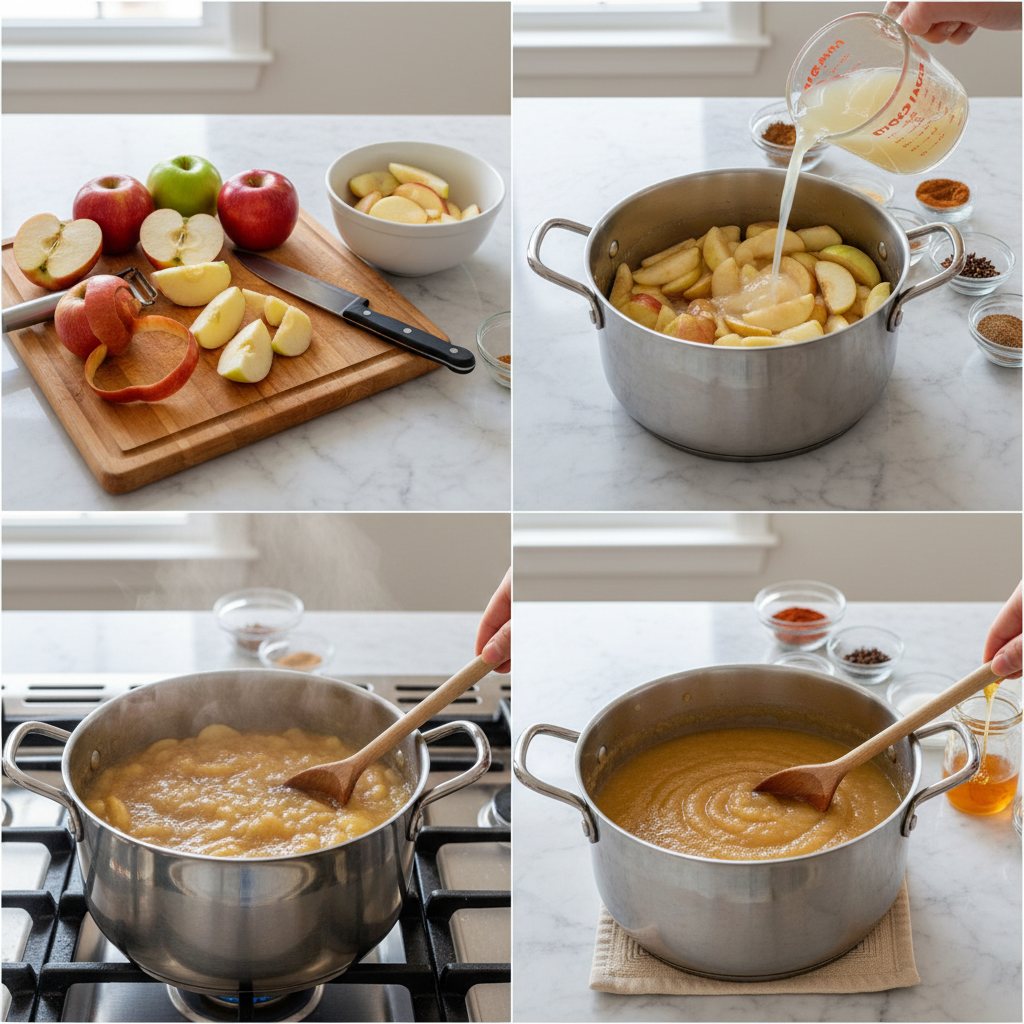
Wash the apples well and remove the stems. There’s no need to peel or core them—those will be removed later. Cut each apple into quarters or large chunks, depending on your time and preference. Smaller pieces cook faster, but cutting them takes more time.
Step 2: Start Cooking
Add the apple chunks into a large pot with the water or apple juice. Cover the pot and cook over medium-low heat. Stir frequently to prevent sticking, especially at the beginning. As the apples heat, they will release their juices, reducing the risk of burning.
Step 3: Cook Down the Apples
Once the apples start releasing juice, uncover the pot to let the excess moisture evaporate. Stir frequently to ensure even cooking. The apples should break down into a softened, sauce-like consistency. This process can take 15 minutes to an hour, depending on the type and freshness of your apples. You might also enjoy exploring other fruit sauce techniques.
Step 4: Process the Apples
Allow the softened apples to cool slightly to avoid burns. Then, pass the cooked apples through a food mill set over a bowl. This step removes the skins and seeds, leaving you with smooth applesauce.
Step 5: Sweeten and Season
Taste the applesauce and decide if it needs sweetening. Add sugar, honey, or maple syrup gradually to taste. Likewise, add spices like cinnamon or ginger incrementally, tasting as you go. If you’re planning to use the applesauce for baking, you might choose to leave it unsweetened.
Step 6: Store or Serve
Transfer the finished applesauce to an airtight container for storage, or enjoy immediately. Refrigerate leftovers or freeze for future use.
Pro Tips & Troubleshooting
Pro Tips
- Use ultra-fresh apples for the best natural sweetness.
- Combine different apple varieties for a more complex flavor.
- Adjust the liquid quantity based on the apples’ texture and ripeness.
- Make large batches to save time and freeze extras for quick use later.
Common Mistakes to Avoid
- Mistake: Adding sweeteners too early.
Solution: Sweeten after processing to avoid overdoing it. - Mistake: Forgetting to stir frequently in the early stages.
Solution: Stay nearby and stir often to prevent sticking. - Mistake: Over-seasoning without tasting first.
Solution: Add spices gradually and adjust to taste. - Mistake: Using apples that are bruised or overly soft.
Solution: Start with firm, fresh apples for the best results.
Serving & Storage
Serving Ideas
- Serve warm or chilled as a standalone treat.
- Pair with oatmeal, pancakes, or waffles for breakfast.
- Use as a side dish or as a topping for dishes like pork chops. Enhance your meals with savory side dishes.
Storage and Make-Ahead Tips
- Refrigeration: Store in an airtight container and refrigerate for up to one week.
- Freezing: Transfer to freezer-safe containers or resealable freezer bags and freeze for up to three months. Defrost overnight in the refrigerator before use.
- Reheating: Warm in a saucepan or microwave for serving.
FAQ
Can I freeze this applesauce?
Yes, homemade applesauce freezes very well. Use airtight containers or freezer bags and defrost overnight in the refrigerator.
How do I store leftovers?
Store leftover applesauce in the fridge in a sealed container for up to one week.
Can I use other fruits besides apples?
Yes, you can use fruits like pears or peaches to complement or substitute apples for a different flavor profile. For more options, visit our guide on fruit combination recipes.
Is it necessary to use a food mill?
While a food mill creates a smooth texture, you can use a blender and then strain the sauce through a fine sieve for a similar effect.
How can I make chunky applesauce?
For a chunkier texture, skip the food mill and mash the cooked apples with a fork or potato masher.
“`
Homemade Applesauce
Ingredients
Equipment
Method
- Wash the apples well and remove the stems. There’s no need to peel or core them—those will be removed later. Cut each apple into quarters or large chunks depending on your preference.
- Add apple chunks to a large pot with water or apple juice. Cover the pot and cook over medium-low heat, stirring frequently to prevent sticking.
- Once the apples release juice, uncover the pot to allow excess moisture to evaporate. Stir frequently and cook until the apples soften to a sauce-like consistency, about 15 minutes to an hour.
- Let the apples cool slightly. Pass them through a food mill set over a bowl to remove skins and seeds, creating smooth applesauce.
- Taste the applesauce and add sweetener (sugar, honey, or maple syrup) and spices (e.g., cinnamon, ginger) gradually, according to taste.
- Place the applesauce in an airtight container for storage, or serve immediately. Refrigerate for up to one week or freeze for up to three months.


No comment yet, add your voice below!