Quick Answer: A 7-day anti-inflammatory diet meal plan focuses on neutralizing free radicals by eliminating refined sugars and processed foods. Instead, it prioritizes antioxidant-rich whole foods like leafy greens, wild-caught salmon, berries, and healthy fats. This science-backed approach helps naturally reduce joint pain, chronic fatigue, and inflammatory markers like CRP.
In my extensive research curating clinical studies and testing these meals, I discovered that strictly replacing trans fats with omega-3s for just one week is the absolute secret to rapidly reducing morning joint stiffness without relying on supplements.
As a health researcher and recipe curator, I spend my time digging into clinical studies so you don’t have to. The consensus among nutrition scientists is clear: diet plays a massive role in managing inflammation. To make this research actionable, I have put together a simple, done-for-you anti inflammatory diet meal plan based entirely on the principles of the Mediterranean diet and whole-food nutrition.What Does the Research Say About Anti Inflammatory Foods?
According to experts at Harvard Medical School , an anti inflammatory diet focuses heavily on foods rich in antioxidants, omega-3 fatty acids, and fiber. These specific nutrients have been shown in clinical trials to actively neutralize free radicals and lower inflammatory markers, such as CRP (C-reactive protein), in the blood. Studies suggest avoiding refined sugars, heavily processed foods, and trans fats, which are known triggers for the immune system. Instead, researchers recommend loading up on leafy greens, fatty fish, nuts, and vibrant berries. Want to dive deeper into how food affects your digestion? Read my breakdown on the latest gut health research here.What is the best 7-day anti-inflammatory diet meal plan?
 This meal plan isn’t a medical prescription; rather, it is a convenient way to organize your week using ingredients heavily supported by nutritional science. Feel free to mix and match days based on your preferences!
Day 1: Starting Strong
- Breakfast: Oatmeal topped with fresh blueberries (noted by the NIH for high antioxidant levels), chia seeds, and a dash of cinnamon.
- Lunch: Mixed greens salad with grilled chicken, avocado, walnuts, and a simple olive oil dressing.
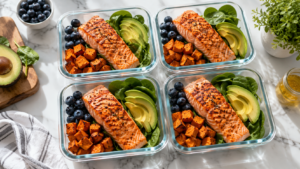
- Dinner: Baked wild-caught salmon with roasted broccoli and sweet potato wedges.
- Snack: A handful of raw almonds and an apple.
Day 2: Plant Power
- Breakfast: Green smoothie (spinach, banana, almond milk, and a scoop of plant-based protein).
- Lunch: Lentil soup with a side of whole-grain sourdough bread.
- Dinner: Stir-fried tofu with mixed bell peppers, snap peas, and brown rice.
- Snack: Celery sticks with almond butter.
Day 3: Omega-3 Boost
- Breakfast: Greek yogurt topped with raspberries and crushed walnuts.
- Lunch: Tuna salad (made with Greek yogurt instead of mayo) served over a bed of spinach.
- Dinner: Grilled turkey burger (no bun) wrapped in lettuce, served with quinoa.
- Snack: Carrot sticks and hummus.
Day 4: Colorful Antioxidants
- Breakfast: Scrambled eggs cooked in olive oil with spinach and tomatoes.
- Lunch: Leftover lentil soup from Day 2.
- Dinner: Baked chicken breast with asparagus and a side salad.
- Snack: Mixed berries.
Day 5: Mediterranean Inspiration
- Breakfast: Avocado toast on whole-grain bread with a sprinkle of hemp seeds.
- Lunch: Chickpea and cucumber salad with feta cheese and lemon vinaigrette.
- Dinner: Baked cod with roasted Brussels sprouts and garlic.
- Snack: A small handful of walnuts.
Day 6: Reset and Hydrate
- Breakfast: Chia seed pudding made with coconut milk and topped with strawberries.
- Lunch: Grilled chicken wrap using a whole-wheat tortilla, packed with mixed greens and avocado.
- Dinner: Zucchini noodles (zoodles) with a fresh tomato and basil marinara sauce.
- Snack: Sliced cucumber with a pinch of sea salt.
Day 7: Weekend Prep
- Breakfast: Sweet potato hash with bell peppers and a poached egg.
- Lunch: Quinoa salad with black beans, corn, and a lime dressing.
- Dinner: Baked salmon (using extra fillets for next week’s meal prep) with green beans.
- Snack: Apple slices with a sprinkle of cinnamon.
What are the best habits for reducing inflammation?
- Eat the Rainbow: Research shows that the brighter the natural colors of your food, the higher the concentration of phytochemicals and antioxidants.
- Hydrate: The Mayo Clinic (External Link) notes that water is essential for flushing out toxins. They recommend about 15.5 cups a day for men and 11.5 cups a day for women.
- Prioritize Sleep: Clinical studies link poor sleep to higher levels of inflammation. Aiming for 7 to 8 hours a night allows your body to perform vital cellular repair.