Key Takeaways
- What It Is: Your microbiome is a vast community of trillions of microbes such as bacteria, viruses, and fungi that live in and on your body.
- What It Does: It supports digestion, strengthens your immune system, produces essential vitamins, and even influences your mood through the gut-brain connection.
- The Gut is Key: The gut microbiome is the largest and most active, impacting everything from metabolism to mental health.
- How to Improve It: A balanced diet rich in fiber, probiotics, and fermented foods helps your microbiome thrive.

What Is the Microbiome, Really?
The human microbiome refers to the complete collection of microorganisms that live on and inside your body. These include bacteria, viruses, fungi, and other tiny organisms that form a complex, living network working together with your body.
Think of it as a hidden ecosystem that never sleeps. It helps digest food, trains your immune system, and even communicates with your brain. Each person’s microbiome is unique, shaped by genetics, diet, lifestyle, and environment.
While most of these microbes live in your intestines, communities also exist on your skin, in your mouth, and throughout your body. A healthy microbiome maintains balance, keeping harmful microbes in check while supporting your overall well-being.
The Number One Point of Confusion: Microbiome vs. Microbiota
These two terms are often used as if they mean the same thing, but they are slightly different.
- Microbiota: This term describes the living microorganisms themselves such as bacteria, fungi, and viruses.
- Microbiome: This includes those organisms along with all their genes and the environment they live in.
Simple Analogy: If the microbiota are the residents of a city, then the microbiome is the entire city itself: the residents, their homes, and the infrastructure that connects everything. Understanding this difference is key to grasping how deeply these microscopic communities influence your health.
Why Is the Microbiome So Important?
Your microbiome is not just a group of harmless microbes quietly living in your body. It acts like a virtual organ that supports essential body functions. Scientists often call it your “second brain” because of its powerful influence on digestion, immunity, and even mood.
You live in a symbiotic relationship with your microbiome. You provide it with food and a place to live, and in return, it protects you, helps you process nutrients, and keeps harmful invaders away. When this balance is disrupted, your health can be affected from head to toe.
1. Digestion and Metabolism
The microbiome plays a leading role in breaking down foods that your stomach and small intestine cannot fully digest.
When you eat foods rich in fiber, your gut bacteria ferment those fibers and produce short-chain fatty acids (SCFAs). These beneficial compounds nourish the lining of your intestines, reduce inflammation, and support a strong immune system.
Your gut microbes also help produce essential nutrients such as vitamin K and several B vitamins, which are crucial for energy and cell function. In short, your microbiome is the unseen digestive partner that helps your body run efficiently.
2. Your Immune System’s Boot Camp
About 70 to 80 percent of your immune system is located in your gut. The microbiome acts like a training ground where your immune cells learn to recognize what is safe and what is dangerous.
A balanced microbiome helps your body distinguish between friendly microbes and harmful pathogens. This prevents unnecessary inflammation and lowers your risk of autoimmune reactions. When the gut microbiome is disrupted, your immune system can become confused, increasing your chances of allergies and chronic inflammation.
Research Note: The claim that 70-80% of the body’s immune cells are in the gut is supported by extensive research. A study published in The Interplay between the Gut Microbiome and the Immune System [1] highlights that this intricate relationship, known as the mucosal immune system, is the body’s largest immune component, constantly interacting with your gut microbiota.
3. The Gut-Brain Axis: Your “Second Brain”
The connection between your gut and your brain is known as the gut-brain axis. It is a two-way communication system involving nerves, hormones, and biochemical signals.
Your gut microbes play a key role in this connection by producing neurotransmitters such as serotonin and dopamine. These are the same chemicals that regulate mood, stress, and happiness.
Research Note: When we call the gut the “second brain,” it’s not an exaggeration. Research estimates that up to 90% of the body’s serotonin is produced in the gut by enterochromaffin cells [2]. While this serotonin doesn’t cross the blood-brain barrier to act directly on the brain, it plays a massive role in gut motility and signaling to the brain via the vagus nerve.
Researchers have found that an unhealthy gut microbiome can contribute to mental health challenges including anxiety and depression. This is why caring for your gut can positively influence not just your physical health but your emotional well-being too.
Expert Insight:
“The gut microbiome is deeply connected to brain health. Supporting it with a balanced diet rich in fiber and fermented foods can help regulate mood and reduce stress,” explains Dr. Laila Thompson, Neurogastroenterologist.
The Different Microbiomes of Your Body
While the gut microbiome often takes center stage, your body actually contains several distinct microbial ecosystems. Each one plays a unique role in protecting your health and maintaining balance. Together, these ecosystems form your complete human microbiome.
Even though the gut microbiome is the largest and most influential, the skin and oral microbiomes are equally essential in keeping your body’s defenses strong. Understanding how they work helps you see the bigger picture of whole-body health.
The Gut Microbiome
The gut microbiome is the most complex and diverse of all. It contains trillions of microorganisms that live primarily in your intestines, especially in the colon. These microbes help digest food, produce vitamins, and keep your intestinal lining healthy.
A well-balanced gut microbiome protects against harmful bacteria and helps regulate metabolism and weight. When this ecosystem is disturbed, it can lead to digestive problems, fatigue, and inflammation.
The Skin Microbiome
Your skin microbiome is like a natural shield. It covers every inch of your body, protecting you from pathogens and environmental stressors. Healthy skin microbes form a barrier that keeps harmful invaders out and supports the healing process when your skin is damaged.
An imbalance in this area can lead to acne, eczema, and sensitivity. Using gentle cleansers and avoiding harsh chemicals can help maintain your skin’s microbial balance.
The Oral Microbiome
Your oral microbiome is made up of hundreds of bacterial species living in your mouth, gums, and tongue. These microbes play a key role in breaking down food and preventing harmful bacteria from taking over.
A healthy oral microbiome supports gum health, reduces bad breath, and may even lower your risk of systemic diseases such as heart disease. Brushing, flossing, and limiting sugary foods all help maintain this delicate balance.

What Is Dysbiosis? (An Unbalanced Microbiome)
A healthy microbiome thrives on balance. When this balance is disrupted, it leads to a condition known as dysbiosis. This means the number of helpful microbes decreases while harmful ones grow out of control. The result can affect not only your digestion but also your immune system, energy levels, and mental health.
Dysbiosis does not happen overnight. It develops gradually when lifestyle factors, medications, or diet disturb the natural ecosystem inside your body. Understanding its causes and effects can help you take action early.
Common Causes of Dysbiosis
- Poor diet: Eating too many processed foods, refined sugars, and unhealthy fats feeds harmful bacteria while starving the beneficial ones.
- Antibiotic use: Antibiotics can be life-saving but they are non-selective and kill both good and bad bacteria.
- Chronic stress: Prolonged stress changes gut chemistry and reduces microbial diversity.
- Lack of sleep: Inadequate rest weakens the immune system and affects gut function.
- Sedentary lifestyle: Physical activity supports microbial balance and diversity.
How Dysbiosis Affects Your Health
An imbalanced microbiome can influence nearly every system in your body. Scientists are finding strong links between dysbiosis and a variety of chronic conditions.
- Digestive issues: Irritable Bowel Syndrome (IBS), Inflammatory Bowel Disease (IBD), bloating, and irregular bowel movements.
- Allergies and asthma: A weakened microbiome may overreact to harmless substances.
- Metabolic disorders: Imbalance in gut bacteria is associated with obesity and Type 2 Diabetes.
- Heart health: Harmful bacteria can increase compounds that raise cholesterol and inflammation.
- Mental well-being: Dysbiosis affects neurotransmitter production and has been linked to depression and anxiety.
Maintaining microbial balance through mindful nutrition, better sleep, and stress reduction is one of the most effective ways to prevent these issues.
How to Improve Your Microbiome: A 3-Step Action Plan
Your microbiome is resilient and can recover with the right choices. By feeding your beneficial bacteria, introducing new healthy microbes, and supporting your body through lifestyle habits, you can rebuild balance and improve your overall health.
This three-step action plan will guide you toward a stronger, more diverse microbiome that works with you, not against you.
1. Feed Your Good Microbes (Prebiotics)
Prebiotics are special types of dietary fiber that nourish the beneficial bacteria already living in your gut. They act as fuel, helping your healthy microbes grow and thrive.
Best Prebiotic Foods:
- Garlic
- Onions
- Leeks
- Asparagus
- Green bananas
- Apples
- Oats
Aim to include a variety of these foods daily. They promote the production of short-chain fatty acids (SCFAs), which strengthen the intestinal lining and reduce inflammation.
2. Add More Good Microbes (Probiotics)
Probiotics are live, beneficial bacteria that you can consume through foods or supplements. They help restore microbial balance, especially after illness, antibiotic use, or poor dietary habits.
Best Probiotic Foods:
- Yogurt with live and active cultures
- Kefir
- Sauerkraut
- Kimchi
- Miso
- Kombucha
When choosing yogurt or fermented foods, make sure they contain live cultures. Regular consumption may support digestion, nutrient absorption, and immune function. You can learn more about fermentation basics and recipes at: cultureddishes.com/fermentation-basics/
3. Support the Entire Ecosystem (Lifestyle Habits)
Your lifestyle choices are just as important as your diet. A few simple habits can dramatically improve the diversity and strength of your microbiome.
Practical Tips for a Healthy Microbiome:
- Eat the rainbow: Include a wide range of colorful fruits and vegetables. Aim for 30 different plant foods each week to feed various bacteria species.
- Limit processed foods and sugar: These ingredients encourage harmful microbes to multiply.
- Manage stress: Practice breathing exercises, meditation, or walks in nature to help balance gut hormones.
- Prioritize sleep: Restful nights allow your body to repair and restore microbial balance.
- Avoid unnecessary antibiotics: Only take them when prescribed by a doctor, as they can wipe out good bacteria.
By making these changes gradually, you can create an environment where beneficial microbes thrive and your overall health flourishes.
Your Microbiome Is Your Partner
Your microbiome is not just a background player; it’s an active partner influencing your digestion, immunity, and even your mood. Every choice you make—from the foods you eat to the way you manage stress; shapes this microscopic community that works tirelessly on your behalf.
Think of your microbiome as a trusted teammate. When you nourish it with fiber-rich foods, add beneficial probiotics, and manage your lifestyle, you build a powerful internal ecosystem that protects and sustains you.
When you support your microbiome, you are doing much more than improving your gut. You are supporting your body’s ability to heal, energize, and thrive. A diverse and balanced microbiome is the foundation of lasting wellness, because a healthy gut truly means a healthier, happier you.
Frequently Asked Questions (FAQ)
What is the difference between microbiome and microbiota?
The microbiota refers to the living organisms themselves, including bacteria, fungi, and viruses. The microbiome includes those organisms along with all their genes and the environment they inhabit. In simple terms, the microbiota are the living residents, while the microbiome is the entire community and its surroundings.
What is the fastest way to improve my gut microbiome?
The quickest way to support your microbiome is through diet. Add one prebiotic food such as oats or garlic and one probiotic food such as yogurt or kefir to your daily meals. Drink plenty of water, manage stress, and get quality sleep to accelerate the recovery of healthy gut bacteria.
What are the three worst foods for your gut microbiome?
The most damaging foods for your microbiome are artificial sweeteners, highly processed snacks, and excess sugar. These feed harmful bacteria and reduce microbial diversity. Choosing whole foods rich in fiber and natural nutrients helps restore balance.
Can your microbiome affect your mental health?
Yes. Through the gut-brain axis, your gut microbes produce neurotransmitters such as serotonin and dopamine that influence mood, stress, and focus. Research shows that maintaining a healthy microbiome can help reduce anxiety and support emotional well-being.
Can probiotics really make a difference?
Yes. Probiotics can help restore balance after antibiotics, illness, or poor dietary habits. They replenish beneficial bacteria, improve digestion, and strengthen immune function. For best results, choose high-quality probiotic foods or supplements that contain live cultures.
What is the Microbiome Diet?
You might be wondering, what is the microbiome diet exactly? It is not a restrictive fad or a temporary cleanse. The microbiome diet is a scientifically backed approach to eating that specifically focuses on feeding your beneficial gut bacteria while starving out the harmful ones. By prioritizing diverse plant fibers, fermented foods, and avoiding harsh artificial sweeteners, you can rapidly rebalance your internal ecosystem. When you understand the true microbiome meaning and how it controls everything from your digestion to your mood, adopting this diet becomes the most logical step toward long-term, sustainable health.
More Ways to Heal Your Microbiome
- Start feeding your good bacteria today with these 5 incredible fibermaxxing recipes.
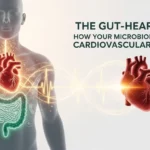
- Learn about the shocking gut-heart connection and how your microbiome protects your cardiovascular system.
- Take the ultimate gut health challenge and learn how to easily eat 30 plants per week for maximum microbiome diversity.