
Whip up this easy, delicious anti-inflammatory chia seed pudding with berries! Packed with omega-3s & antioxidants for a healthy breakfast or dessert.
Why This Recipe is Your New Go-To
- Effortless Preparation: Minimal active time, maximum deliciousness. Perfect for busy mornings.
- Anti-Inflammatory Powerhouse: Harness the natural benefits of chia seeds and vibrant berries.
- Creamy Perfection: Achieve that ideal pudding texture every time, satisfying and decadent.
- Customizable Sweetness: Easily adjust the maple syrup to suit your taste buds.
- Visually Appealing: A beautiful dish that tastes as good as it looks, perfect for any occasion.
Ingredients You’ll Need
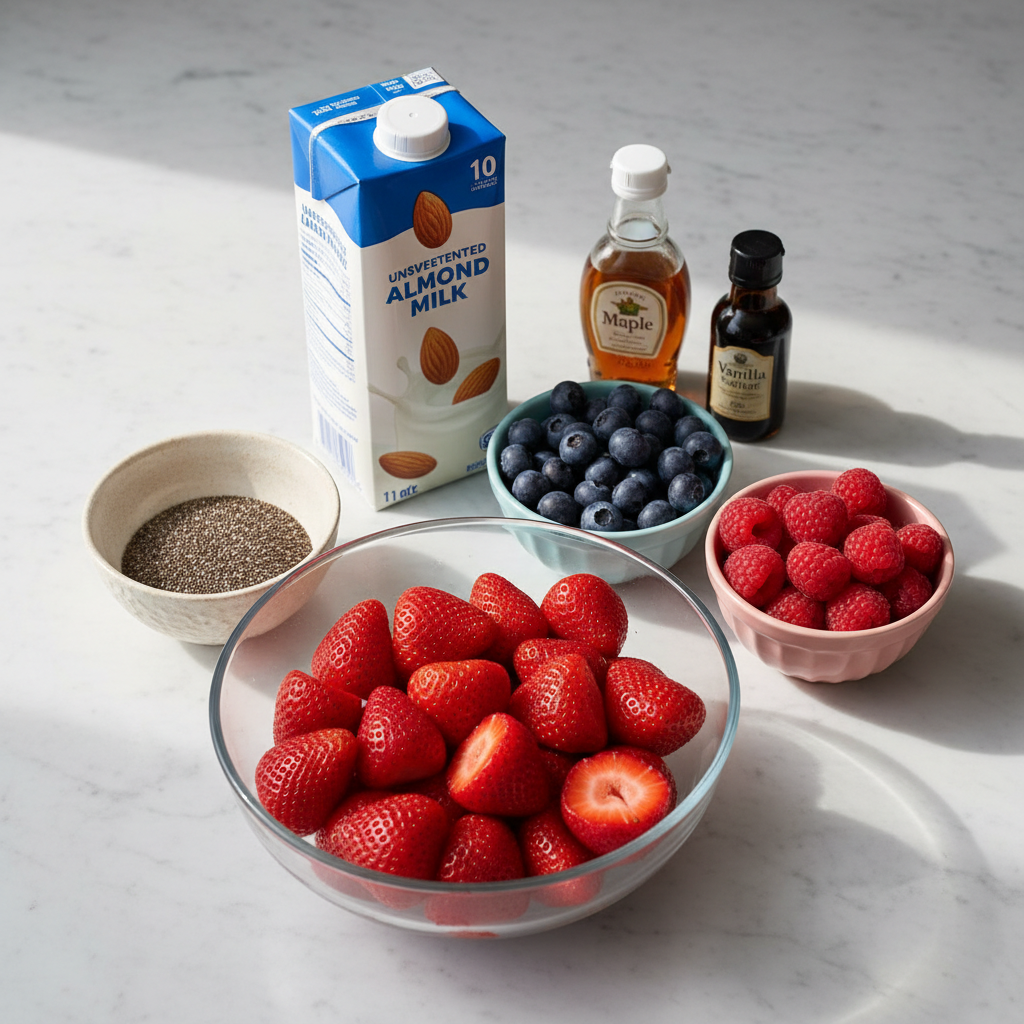
- 2 cups non-dairy milk (I like almond or coconut)
- 1/2 cup + 2 tbsp chia seeds
- 1/2 cup strawberries, fresh or frozen
- 1/2 cup blueberries, fresh or frozen*
- 1/2 cup raspberries, fresh or frozen
- 2-3 tbsp pure maple syrup, to taste
- 1/2 tsp vanilla extract
Ingredient Notes & Substitutions
Non-Dairy Milk: Almond milk and coconut milk are excellent choices for creaminess and a subtle flavor. Oat milk or cashew milk can also be used for a different texture and taste profile. Full-fat coconut milk will yield the richest, creamiest pudding.
Chia Seeds: These tiny seeds are the magic ingredient, absorbing liquid to create a gel-like consistency. Ensure they are fresh for best results.
Berries: A mix of strawberries, blueberries, and raspberries provides a balance of sweetness and tartness, along with powerful antioxidants. Frozen berries can contribute to a thicker, almost slushier texture when blended or used directly.
Sweetener: Pure maple syrup offers a natural sweetness. You can adjust the amount to your preference or substitute with agave nectar or date syrup (for a vegan option) or honey (if not vegan). A pinch of salt can enhance the overall flavor.
Vanilla Extract: Enhances the sweetness and adds a comforting aroma.
How to Make Anti-Inflammatory Chia Seed Pudding with Berries
Step 1: Combine Ingredients
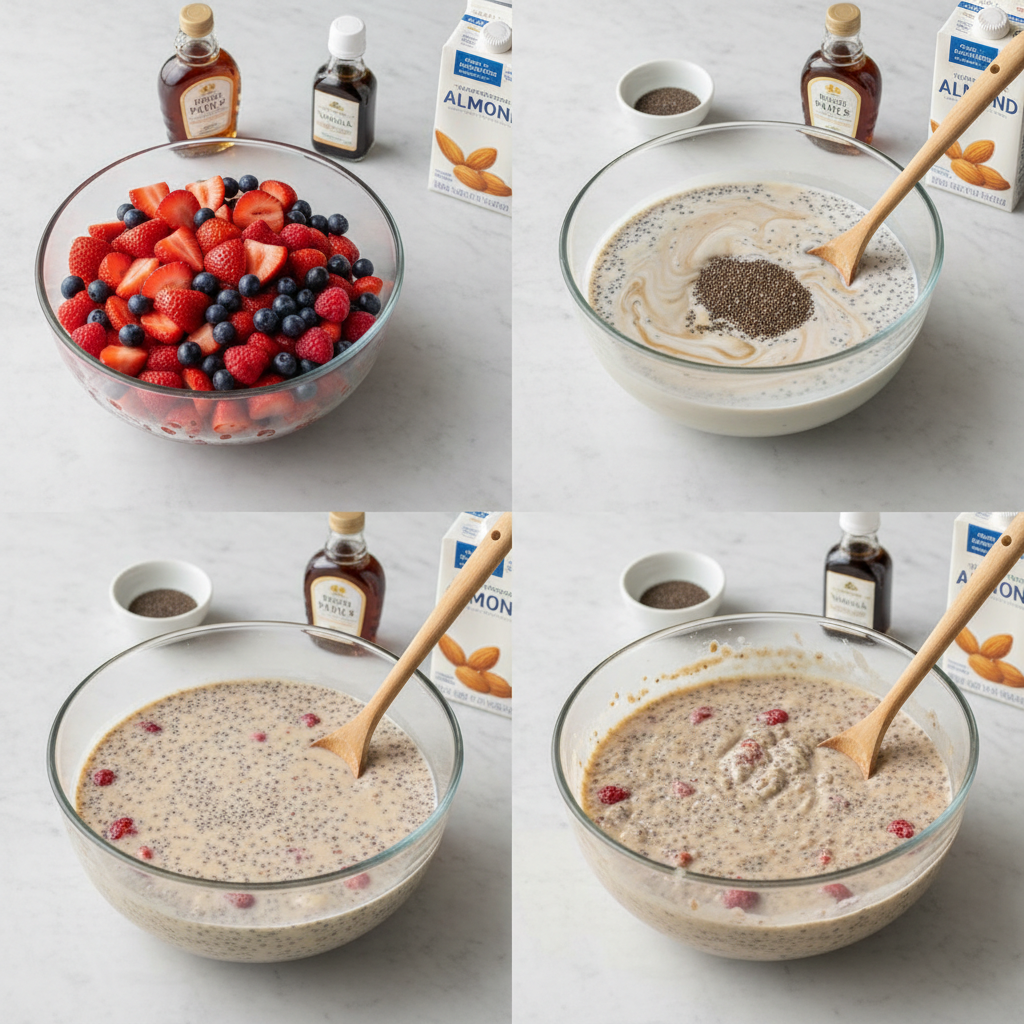
In a large bowl or mason jar, combine the non-dairy milk, chia seeds, strawberries, blueberries, raspberries, maple syrup, and vanilla extract. If using a bowl, ensure it’s large enough for mixing and then transfer to a storage container or mason jar afterward.
Step 2: Chill Overnight
Stir everything together thoroughly. Cover the container or jar tightly and refrigerate for at least 8 hours, or preferably overnight. This allows the chia seeds to absorb the liquid and gel, creating the pudding’s signature texture. For an extra smooth consistency, you can blend the mixture before refrigerating. If you are interested in understanding the science behind gut health and inflammation, you might find our article on the difference between prebiotic and probiotic helpful.
Step 3: Serve
Once the pudding has set and reached your desired consistency, give it a good stir. Serve cold and enjoy!
The Science Behind the Goodness: Chia Seeds and Anti-Inflammation
Chia Seeds: Tiny Seeds, Mighty Benefits
Chia seeds are nutritional powerhouses, packed with omega-3 fatty acids (specifically ALA), fiber, and antioxidants. These components work together to help combat oxidative stress and reduce inflammation markers throughout the body. The ALA in chia seeds is converted by the body into EPA and DHA, which are crucial for managing inflammatory responses. For a deeper dive into how diet impacts inflammation, explore our rheumatoid arthritis diet plan.
Berries: Nature’s Antioxidant Boost
Strawberries, blueberries, and raspberries are loaded with potent antioxidants like anthocyanins and polyphenols. These compounds actively neutralize free radicals, which can cause cellular damage and contribute to inflammation. Including a variety of berries ensures a broad spectrum of these beneficial plant compounds.
The Magic of Hydration: How Chia Seeds Gel
When chia seeds come into contact with liquid, they form a gelatinous outer layer known as mucilage. This natural process is what gives chia pudding its signature thick, pudding-like texture. The seeds absorb several times their weight in liquid, creating a satisfying consistency that is both creamy and filling.
Pro Tips & Troubleshooting for Perfect Pudding
Expert Tips for Success
Achieve Ultimate Thickness: For a noticeably thicker pudding, increase the chia seed ratio slightly (e.g., add an extra tablespoon or two of seeds per cup of liquid) or reduce the amount of non-dairy milk.
Sweetness Control: Always taste and adjust the maple syrup *after* the pudding has set, as flavors can concentrate. You can add more sweetener or a pinch of salt to balance it.
Frozen Berry Advantage: Using frozen berries, especially if blended slightly before mixing, can help cool the mixture down quickly and contribute to a thicker, almost sorbet-like texture upon chilling.
Even Distribution is Key: Ensure the chia seeds are evenly distributed throughout the liquid immediately after mixing to prevent them from settling and clumping. This recipe is a fantastic example of how you can incorporate nutrient-dense foods into your diet, similar to these high-protein snack ideas.
The Re-Stir Trick: For foolproof anti-clumping, give the mixture a vigorous whisk or stir about 15-20 minutes after the initial mix, before refrigerating.
Flavor Enhancements: Consider adding a pinch of cinnamon or ginger to the mix for an extra anti-inflammatory kick and warm flavor notes.
Common Mistakes to Avoid
Impatience: Not allowing sufficient chilling time is the number one reason for a runny pudding. Overnight is crucial for proper gelling.
Insufficient Initial Mixing: Failing to stir well right after combining ingredients leads to clumps of chia seeds at the bottom.
Over-Dilution: Using too much liquid relative to chia seeds will result in a thin, soup-like consistency.
Skipping the Taste Test: Serving without tasting and adjusting sweetness can lead to a bland or overly sweet final product.
Using Old Chia Seeds: Stale chia seeds may not gel as effectively, impacting the pudding’s texture.
Serving & Storage
Delicious Serving Ideas
Classic Toppings: Garnish with a fresh handful of mixed berries, a sprinkle of unsweetened shredded coconut, or chopped nuts like almonds or walnuts.
Creamy Additions: A dollop of unsweetened coconut yogurt or a swirl of nut butter adds extra richness and flavor.
Granola Crunch: Top with your favorite granola for added texture and a satisfying crunch.
Breakfast, Snack, or Dessert: This versatile pudding fits perfectly into any part of your day. For other healthy meal ideas, consider this healthy turkey chili or a refreshing mediterranean chickpeas salad.
Grab-and-Go Convenience: Portion the pudding into individual small jars or containers for easy, portable meals or snacks.
Storage and Make-Ahead Mastery
Refrigerator Storage: Store the chia seed pudding in an airtight container in the refrigerator. It stays fresh for up to 3-4 days.
Texture Evolution: Be aware that the pudding will continue to thicken the longer it sits. If it becomes too thick for your liking, simply stir in a splash of non-dairy milk before serving.
Freezer Option: While best fresh, chia pudding can be frozen in individual portions. Thaw overnight in the refrigerator. Note that the texture might change slightly after freezing and thawing.
Healthy, Delicious, and Soothing
Enjoy this vibrant anti-inflammatory chia seed pudding with berries – a simple yet incredibly nourishing dish that proves healthy eating can be both easy and incredibly delicious. Packed with goodness, it’s the perfect way to start your day or satisfy a sweet craving guilt-free. If you’re looking for more anti-inflammatory recipes, our anti-inflammatory pumpkin sweet potato soup is another excellent option.
Frequently Asked Questions (FAQ)
What are the anti-inflammatory benefits of this chia seed pudding?
Chia seeds are rich in omega-3 fatty acids, fiber, and antioxidants, all of which contribute to reducing inflammation in the body. Berries are packed with anthocyanins and other polyphenols, potent antioxidants that also combat inflammation.
How can I make my chia seed pudding thicker?
To make your chia seed pudding thicker, you can either increase the amount of chia seeds or decrease the amount of non-dairy milk. Using frozen berries, as suggested in the recipe, also helps achieve a thicker consistency.
Can I use different fruits instead of berries?
Yes, you can absolutely use other fruits! Mango, banana, peach, or even kiwi can be blended into the pudding base or used as toppings. For a smoother texture, blend the fruits before mixing them with the chia seeds and milk.
How long can I store chia seed pudding?
Chia seed pudding can be stored in an airtight container in the refrigerator for up to 3-4 days. The texture may continue to thicken over time.
What is the best way to mix chia seed pudding to avoid clumps?
The key is to mix thoroughly after the initial addition of ingredients. Some people find it helpful to give the mixture a good stir or whisk again after about 15-20 minutes of sitting, before refrigerating it overnight. This helps prevent the seeds from settling and clumping at the bottom.
What is the best non-dairy milk for chia seed pudding?
Almond milk and coconut milk are popular choices for their creaminess and flavor. Oat milk, cashew milk, and soy milk are also great options, each offering a slightly different taste and texture profile.
How long does chia seed pudding take to set?
Chia seed pudding needs at least 8 hours, or preferably overnight, to set properly in the refrigerator. This allows the chia seeds enough time to absorb the liquid and form a gel.
Can I use frozen berries in chia seed pudding?
Yes, you can use frozen berries! They work well and can even help thicken the pudding further. You can mix them in directly or blend them slightly before adding for a smoother texture.
Is chia seed pudding good for inflammation?
Yes, chia seed pudding is considered an anti-inflammatory food due to the high omega-3 fatty acids and antioxidants present in chia seeds and the berries used in the recipe. If you are looking for more ways to manage inflammation through diet, consider looking into supplements that support gut health, such as a postbiotic supplement.
How many servings does this recipe make?
This recipe typically yields 4-6 servings, depending on the portion size. It’s ideal for meal prepping.
Anti-Inflammatory Chia Seed Pudding with Berries
Ingredients
Method
- In a large bowl or mason jar, combine the non-dairy milk, chia seeds, strawberries, blueberries, raspberries, maple syrup, and vanilla extract. If using a bowl, ensure it's large enough for mixing and then transfer to a storage container or mason jar afterward.
- Stir everything together thoroughly. Cover the container or jar tightly and refrigerate for at least 8 hours, or preferably overnight. This allows the chia seeds to absorb the liquid and gel, creating the pudding's signature texture. For an extra smooth consistency, you can blend the mixture before refrigerating.
- Once the pudding has set and reached your desired consistency, give it a good stir. Serve cold and enjoy!