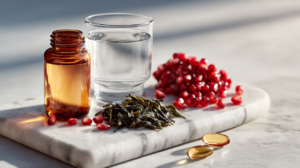
Both kombucha and water kefir are sparkling probiotic drinks with powerful gut-healing properties, but they work in completely different ways inside your digestive system.
Quick Answer: Kombucha vs Water Kefir at a Glance
While both are sparkling fermented beverages rich in beneficial gut microbes, water kefir is completely caffeine-free, lower in sugar, and ferments in just 24-48 hours using cane sugar water and kefir grains. Kombucha is made from caffeinated black or green tea, ferments over 7-14 days using a SCOBY, and contains acetic acid (vinegar taste) along with small amounts of natural caffeine. If you want faster hydration without caffeine or acid reflux, water kefir is superior. If you need liver detox support and prefer a tart, cider-like drink, choose kombucha.
Understanding the Fermentation Basics
Fermented drinks have exploded in popularity as more people discover the deep connection between gut health, immune function, and mental clarity. When looking for fermented natural remedies, two sparkling options dominate store shelves: kombucha and water kefir.
Although both drinks produce a refreshing, naturally carbonated beverage packed with live active cultures, their foundation, fermentation cultures, and nutrient profiles are completely different. Understanding these differences helps you choose the right drink for your specific digestive goals.
What is Kombucha?
Kombucha is an ancient fermented tea beverage created by combining brewed tea (usually black, green, or oolong), cane sugar, and a specialized culture called a SCOBY (Symbiotic Culture of Bacteria and Yeast). Over a 7 to 14 day fermentation process, the SCOBY consumes the sugar and tea polyphenols, creating organic acids, B vitamins, enzymes, and live probiotic cultures.
The resulting drink is tart, acidic, slightly effervescent, and contains trace amounts of caffeine and alcohol (typically under 0.5% ABV). For a deeper breakdown on how fermented foods interact with gut flora, check out our guide on The Best Probiotic for GLP-1.
What is Water Kefir?
Water kefir (also known as tibicos) is a fermented beverage made by adding water kefir grains—translucent, gelatinous clusters of bacteria and yeast—to sugar water, fruit juice, or coconut water. Unlike dairy milk kefir, water kefir contains zero dairy or animal products.
Water kefir ferments rapidly, taking only 24 to 48 hours to complete its primary fermentation. The result is a mild, sweet, and fruity sparkling drink with a much softer flavor profile than kombucha. It is naturally caffeine-free and gentler on sensitive stomachs, making it an excellent companion to soothing recipes like our Homemade Electrolyte Drinks for Nausea.
Kombucha vs Water Kefir: Head-to-Head Comparison
To help you decide which fermented beverage fits your daily routine, here is how they stack up across key nutritional factors:
| Feature | Kombucha | Water Kefir |
|---|---|---|
| Base Ingredient | Brewed Tea (Black or Green) + Sugar | Filtered Water + Sugar + Fruit |
| Fermentation Culture | SCOBY (Rubber-like mat) | Water Kefir Grains (Gelatinous crystals) |
| Fermentation Time | 7 to 14 Days | 24 to 48 Hours |
| Caffeine Content | 10-15 mg per serving | 0 mg (100% Caffeine-Free) |
| Flavor Profile | Tart, vinegar-like, cidery | Mild, sweet, fruity, bubbly |
| Probiotic Diversity | High in acetic acid bacteria & yeasts | High in lactic acid bacteria (Lactobacillus strains) |
| Stomach Sensitivity | Can trigger acid reflux in high amounts | Very gentle on sensitive digestive tracts |
Probiotic Strains and Gut Health Benefits
Both beverages deliver live beneficial bacteria to your digestive tract, but their microbial makeup serves different functional purposes:
Kombucha is rich in acetic acid bacteria (similar to raw apple cider vinegar) and glucuronic acid. Clinical studies published by the National Institutes of Health (NCBI) indicate that organic acids in fermented teas help inhibit pathogenic bacterial growth and support liver detoxification pathways.
Water kefir, on the other hand, is dominated by beneficial lactic acid bacteria strains, including Lactobacillus paracasei, Lactobacillus acidophilus, and beneficial Bifidobacteria. These strains colonize the gut lining, support mucosal barrier health, and produce short-chain fatty acids (SCFAs) that calm intestinal inflammation. If you are working to rebuild gut integrity after digestive upset, review our research on The Dark Side of Fibermaxxing to avoid overloading your gut while introducing fermented foods.
Caffeine, Sugar, and Acidity: Which Should You Drink?
Selecting the right drink often comes down to your personal health tolerance:
- Choose Water Kefir if: You are sensitive to caffeine, experience acid reflux from acidic foods, or want a light sparkling drink for children or evening relaxation.
- Choose Kombucha if: You enjoy a bold, tart flavor, want a gentle mid-day pick-me-up from natural tea antioxidants, or want support for heavy meal digestion.
According to researchers at Harvard Health Publishing, incorporating a variety of fermented foods into your routine delivers a wider spectrum of microbial diversity than relying on a single fermented drink.
How to Incorporate Both Into Your Gut Health Routine
You do not have to choose just one. A balanced gut health routine can combine both beverages effectively. Try sipping a small glass of Kombucha with lunch to assist stomach acid production during protein digestion, and enjoy a glass of flavored Water Kefir in the late afternoon for caffeine-free hydration.
Always start slowly when introducing live fermented drinks—begin with 4 ounces per day to allow your microbiome to adjust without gas or bloating.
Frequently Asked Questions
Can I drink water kefir and kombucha on a GLP-1 weight loss diet?
Yes. Both drinks can support gut motility and soothe digestive sluggishness. Choose unflavored or low-sugar commercial brands, or make water kefir at home to keep sugar content minimal.
Does water kefir contain alcohol?
Water kefir contains tiny trace amounts of natural alcohol due to yeast fermentation (usually between 0.2% and 0.5% ABV), which is comparable to ripe fruit or unpasteurized juice.
Which drink has more probiotics?
Water kefir generally contains a higher concentration of lactic acid bacteria per serving (up to 30 billion CFU in fresh homemade batches), whereas kombucha excels in organic acids and antioxidant tea polyphenols.
Summary Checklist
Both Kombucha and Water Kefir are remarkable functional drinks. For maximum gut microbiome diversity, rotate between caffeine-free Water Kefir, traditional Kombucha, and fermented whole foods like Greek yogurt and sauerkraut.
How to Make Water Kefir at Home (Step-by-Step)
One of the biggest advantages of water kefir over kombucha is how easy and fast it is to brew at home. While kombucha requires maintaining a thick SCOBY and waiting up to two weeks, water kefir brews in just 24 to 48 hours.
Ingredients Needed:
- 1/4 cup hydrated water kefir grains
- 4 cups filtered water (chlorine-free)
- 1/4 cup organic cane sugar or dark brown sugar
- 1 dried fig or date (provides essential minerals for the grains)
- A slice of organic lemon
Step-by-Step Brewing Instructions:
1. Dissolve the sugar completely in 1 cup of warm filtered water in a clean glass mason jar, then top with the remaining 3 cups of cool water.
2. Add your water kefir grains, the dried fig, and the lemon slice.
3. Cover the jar with a breathable cloth or coffee filter secured with a rubber band.
4. Place the jar in a warm spot out of direct sunlight for 24 to 48 hours.
5. Strain out the kefir grains using a non-metallic mesh strainer. Save the grains for your next batch, and bottle your fermented water kefir juice!
Histamine Sensitivity & Acid Reflux: Who Should Avoid Kombucha?
While kombucha offers rich organic acids, it is not ideal for everyone. Because kombucha undergoes a long fermentation process with active yeast, it contains high levels of histamines. Individuals with Histamine Intolerance (HIT) or Mast Cell Activation Syndrome (MCAS) may experience headaches, skin flushing, digestive cramping, or nasal congestion after drinking kombucha.
Additionally, the low pH of kombucha (typically between 2.5 and 3.5) makes it as acidic as grapefruit juice. If you suffer from GERD, gastritis, or tooth enamel sensitivity, the high acetic acid content can trigger esophageal irritation. In these cases, water kefir is far gentler on your digestive mucosa, offering a near-neutral pH and significantly lower histamine production.
The Final Verdict: Which Should You Choose?
If you are looking for an energizing, tart, cider-like tonic to replace mid-day soda or alcohol while supporting liver detox, Kombucha is your best option. However, if you want a caffeine-free, family-friendly, quick-fermenting probiotic beverage that supports gut healing without triggering acid reflux, Water Kefir is the clear winner.
To continue building a complete gut-healing routine, explore our complete guides on The Sleepy Girl Mocktail Recipe and Bone Broth Protein for Gut Recovery.
Frequently Asked Questions About Kombucha & Water Kefir
Can children drink water kefir?
Yes. Because water kefir is caffeine-free and contains only tiny trace amounts of natural fermentation alcohol (under 0.5%), it is a popular soda replacement for children when made with real fruit juices.
Can I mix kombucha and water kefir together?
While you can mix them in a glass right before drinking, you should never ferment them in the same jar. Kombucha SCOBYs and water kefir grains rely on different microbial communities and will compete for nutrients if fermented together.
Does water kefir need sugar to ferment?
Yes. The beneficial bacteria and yeasts feed on sugar during fermentation. By the time the 24-to-48-hour fermentation is complete, most of the cane sugar has been converted into beneficial organic acids, leaving only minimal residual sugar.
Medical Disclaimer: The information provided in this article is for educational and informational purposes only and is not intended as medical advice. Always consult your physician, registered dietitian, or qualified healthcare provider before making changes to your diet or health routine.
For optimal probiotic timing, check our guide on the Best Time to Eat Sauerkraut for Gut Health.