
Savor the comforting warmth and incredible gut-healing benefits of this homemade bone broth vegetable soup. More than just a hearty meal, this soup is a powerhouse of nutrients designed to support your digestive health, boost your immune system, and leave you feeling revitalized. We’ll guide you through making a rich, flavorful broth from scratch and combining it with nourishing vegetables for a truly restorative experience. Get ready to unlock the secrets to a happier gut, one delicious spoonful at a time!
Why You’ll Love This Gut-Healthy Bone Broth Vegetable Soup
This isn’t just any soup; it’s a carefully crafted recipe designed for maximum flavor and gut-healing potential. You’ll love its…
- Deeply Savory Flavor: Developed from simmering quality bones and aromatic vegetables, resulting in a rich, umami-packed broth.
- Nutrient Density: Packed with collagen, gelatin, glutamine, vitamins, minerals, and fiber to support gut lining integrity and overall wellness.
- Simple & Straightforward Preparation: Clear instructions ensure success, even for beginner cooks.
- Customizable: Easily adaptable to your preferences and available ingredients.
- Ultimate Comfort Food: A warming, satisfying meal that nourishes from the inside out.
Ingredients Needed
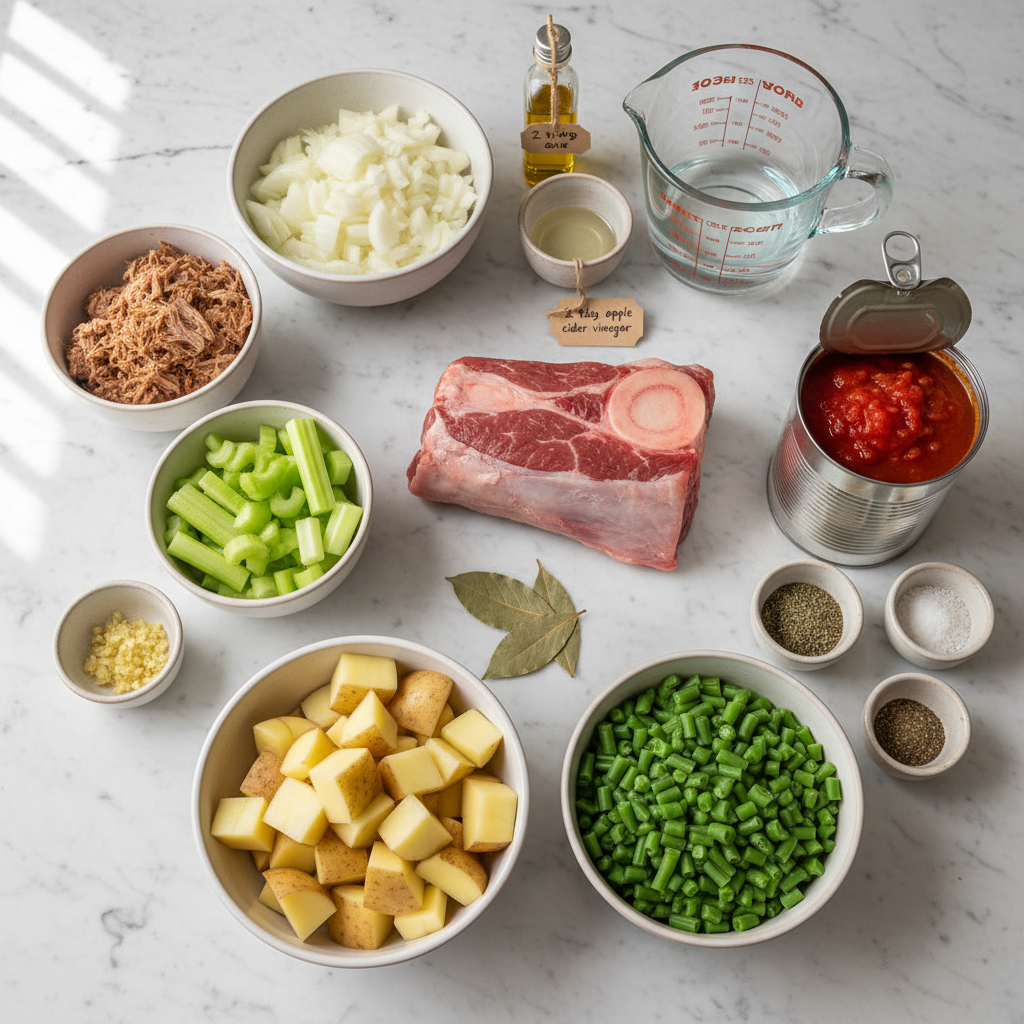
- 2 lbs (900 g) beef or chicken soup bones (marrow bones, oxtail, or a carcass work)
- 12 cups (2.8 L) cold water
- 2 tbsp (30 ml) apple cider vinegar
- 2 tbsp (30 ml) olive oil, divided
- 1 large yellow onion, diced (about 2 cups / 300 g)
- 3 medium carrots, peeled and sliced into half-moons (about 1.5 cups / 200 g)
- 3 celery stalks, sliced (about 1.5 cups / 180 g)
- 3 garlic cloves, minced
- 2 medium Yukon Gold potatoes, cut into 3/4-inch (2 cm) cubes (about 2 cups / 300 g)
- 1 cup (150 g) green beans, trimmed and cut into 1-inch (2.5 cm) pieces
- 1 cup (240 g) canned diced tomatoes, with juice
- 2 bay leaves
- 1 tsp (2 g) dried thyme
- 1.5 tsp (9 g) kosher salt, plus more to taste
- 0.5 tsp (1 g) black pepper
- 2 cups (280 g) shredded cooked meat, pulled from the bones after simmering
- 2 tbsp (8 g) chopped fresh parsley, for finishing
Ingredient Notes & Substitutions
Bones: Opt for a mix of marrow and knuckle bones for the richest collagen and gelatin extraction. Oxtail adds great flavor and body. For a leaner broth, skim excess fat after chilling.
Vegetables: Feel free to swap or add other gut-friendly vegetables like leeks, parsnips, or sweet potatoes. Ensure they are cooked until tender. For a variety of vegetable options, consider our 5 proven fiber-maxxing recipes.
Meat: If you prefer a broth without meat, simply omit the shredded meat. The soup will still be incredibly nourishing.
How to Make Gut-Healthy Bone Broth Vegetable Soup
Follow these steps to create a deeply nourishing and flavorful soup:
1. Prepare the Broth Base
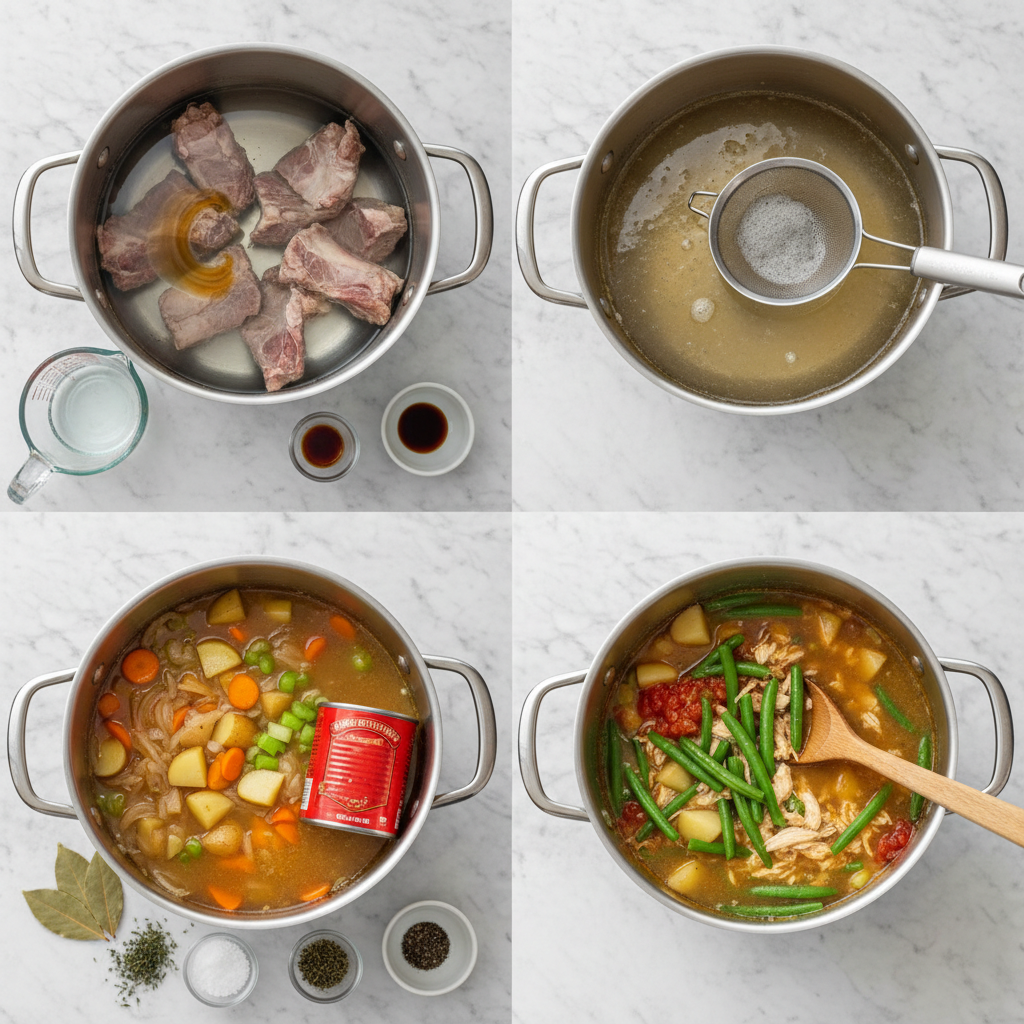
Place your chosen soup bones in a large stockpot. Cover them with 12 cups of cold water and stir in the 2 tablespoons of apple cider vinegar. Let this mixture stand at room temperature for 30 minutes. This initial soak, thanks to the vinegar’s acidity, helps to begin drawing out minerals and collagen from the bones before cooking.
2. Initial Simmer & Skim
Bring the water to a rolling boil over high heat. Immediately reduce the heat to the lowest setting, maintaining a bare simmer where only a few bubbles gently break the surface. During the first 20 minutes of simmering, carefully skim off any gray foam that rises to the top. This step ensures a clearer, cleaner-tasting broth.
3. Simmer for Flavor and Nutrients
Allow the broth to simmer gently, uncovered, for 2 hours if using chicken bones, or up to 4 hours for beef bones. If the water level drops significantly, top it up with a little more cold water to keep the bones submerged. The broth is ready when it has a slightly viscous texture, coating the back of a spoon, and possesses a savory flavor even without added salt.
4. Strain and Reserve
Carefully strain the broth through a fine-mesh sieve into a large bowl or a clean pot. Discard the bay leaves. Once cooled slightly, pick any tender meat off the cooked bones, shred it, and set aside 2 cups for later. Discard the exhausted bones.
5. Sauté Aromatics
Wipe out the original stockpot. Heat 2 tablespoons of olive oil over medium heat. Add the diced onion, sliced carrots, and sliced celery. Cook, stirring occasionally, for about 8 minutes until the vegetables soften and the onion becomes translucent, but avoid browning them.
6. Add Garlic
Stir in the minced garlic and cook for just 1 minute more, until fragrant. Be careful not to let the garlic burn.
7. Combine and Simmer
Pour the strained bone broth back into the pot with the sautéed vegetables. Add the cubed potatoes, canned diced tomatoes (including their juice), 2 bay leaves, dried thyme, 1.5 teaspoons of kosher salt, and 0.5 teaspoon of black pepper. Bring the soup back to a gentle simmer.
8. Cook Potatoes
Let the soup simmer uncovered for about 15 minutes, or until the potato cubes are easily pierced with a knife.
9. Add Final Ingredients
Stir in the prepared green beans and the reserved shredded meat. Continue to simmer for another 5 minutes, just until the green beans turn bright green and reach a tender-crisp texture.
10. Finish and Serve
Remove and discard the bay leaves. Taste the soup and adjust the salt and pepper as needed. Ladle the hot soup into bowls and garnish generously with fresh chopped parsley before serving.
Harnessing the Gut-Healing Power of Bone Broth Soup
This soup is intentionally crafted to maximize its benefits for digestive health. Bone broth itself is a cornerstone of gut healing due to its rich content of:
- Collagen and Gelatin: These proteins help to repair and seal the lining of the gut, crucial for addressing issues like ‘leaky gut’.
- Glutamine: An essential amino acid that serves as a primary fuel source for the cells lining the intestines, supporting their regeneration and function.
- Minerals: Sourced from the bones, these provide essential electrolytes and support overall bodily functions.
Beyond the broth, the vegetables contribute significantly:
- Prebiotic Vegetables: Onions and garlic provide food for beneficial gut bacteria, promoting a healthy microbiome.
- Fiber-Rich Vegetables: Carrots, celery, and green beans add dietary fiber, essential for regular digestion and feeding good gut flora.
Enhancing Gut Health Further
Probiotic Boost: For an added probiotic kick, consider stirring in a tablespoon of kimchi or sauerkraut just before serving, or topping your soup with them. Alternatively, a splash of fermented vegetable brine can introduce beneficial bacteria. If you enjoy fermented foods, you might also like our recipe for creamy tuscan chickpea soup.
Variety is Key: Explore other prebiotic-rich vegetables like leeks, asparagus, or Jerusalem artichokes (if tolerated) in future batches to diversify your gut’s food sources. For example, a delicious way to incorporate Jerusalem artichokes is in a Jerusalem artichoke soup.
Pro Tips & Troubleshooting
Expert Tips for the Best Broth:
- Vinegar’s Role: Remember, the apple cider vinegar isn’t just for flavor; it actively helps break down bones and leach out minerals and collagen in the initial stage.
- Foam Management: Consistently skimming the foam during the first 20 minutes is key to a clean-tasting, clear broth.
- Doneness Test: Trust your senses! The broth is ready when it has a rich consistency that lightly coats a spoon and tastes savory on its own.
- Fat Management: After chilling, the broth’s fat will solidify on top. You can easily skim this off for a leaner soup or stir it back in for extra richness.
- Bone Quality Matters: Sourcing high-quality, ideally grass-fed or organic bones, will yield a more nutrient-dense and flavorful broth.
Common Mistakes to Avoid:
- Boiling, Not Simmering: Rushing the process by boiling vigorously can make the broth cloudy and tougher.
- Not Skimming Foam: Skipping the skimming step can result in a murky broth with off-flavors.
- Overcooking Vegetables: Adding vegetables too early, especially potatoes and green beans, can turn them mushy.
- Using Old Bones: While possible, older or pre-cooked bones may yield less flavor and gelatin.
- Forgetting the Acidity: Omitting the apple cider vinegar or lemon juice in the initial soak reduces mineral and collagen extraction.
Serving & Storage
Serving Ideas
Garnish: Freshly chopped parsley adds a bright, herbaceous finish. Chives or a dollop of plain Greek yogurt are also great options.
Bread: Serve with crusty whole-grain bread for dipping.
Side Salad: A simple green salad complements the hearty soup. You might enjoy a roasted Jerusalem artichoke and kale salad on the side.
Spice: Add a pinch of red pepper flakes for a touch of heat.
Storage and Make-Ahead
Refrigerator: The finished soup will keep well in an airtight container in the refrigerator for up to 4 days.
Freezing: For longer storage, cool the soup completely and freeze it in individual portions for up to 3 months. Important: For best texture, freeze the soup without the potatoes. Add fresh or thawed potatoes when reheating.
Reheating: Gently reheat the soup on the stovetop over medium-low heat until warmed through. If reheating from frozen and adding potatoes, add them during the last 10-15 minutes of simmering.
Conclusion
This Gut-Healthy Bone Broth Vegetable Soup is more than just a recipe; it’s a pathway to improved well-being. By harnessing the power of slow-simmered bone broth and nutrient-rich vegetables, you create a dish that is both deeply satisfying and profoundly healing for your digestive system. Enjoy the process, savor the flavor, and embrace the restorative benefits of this nourishing meal.
Frequently Asked Questions
What makes bone broth good for gut health?
Bone broth is rich in collagen and gelatin, which can help repair and seal the gut lining. It also contains amino acids like glutamine, which is a primary fuel source for intestinal cells and plays a role in maintaining the integrity of the gut barrier.
Which vegetables in this soup are particularly good for gut health?
Onions and garlic are prebiotics, feeding beneficial gut bacteria. Carrots and celery provide fiber. Green beans add more fiber and nutrients. Diced tomatoes offer vitamins and antioxidants. The combination of cooked vegetables and bone broth creates a nourishing meal for the digestive system.
Can I make this soup vegetarian or vegan while keeping it gut-healthy?
To make it vegetarian/vegan and gut-healthy, you would omit the bones and shredded meat. Instead, create a deeply flavored vegetable broth using roasted root vegetables (like carrots, onions, parsnips), mushrooms (for umami and minerals), kombu (for minerals and a slight glutamine boost), and possibly a splash of fermented vegetable brine (like sauerkraut juice) for probiotics. Ensure the vegetable broth is simmered for a good amount of time to extract nutrients, similar to bone broth. Consider a high-protein soup recipe that can be adapted for a vegetarian option.
How can I enhance the gut-healing properties of this soup?
You can add a small amount of fermented vegetables (like kimchi or sauerkraut) as a topping or stir them in just before serving to introduce probiotics. Including a variety of prebiotic-rich vegetables (like leeks, asparagus, or Jerusalem artichokes if tolerated) can also support a healthy gut microbiome. For more ideas on fiber-rich meals, check out our 5 proven fiber-maxxing recipes.
Why is apple cider vinegar used in bone broth?
The apple cider vinegar’s acidity helps to leach minerals (like calcium and magnesium) and collagen from the bones during the initial simmering stage before heat is applied. This process can result in a more nutrient-dense broth.
How long should I simmer bone broth for maximum nutrients?
For chicken bones, simmer for at least 2 hours. For beef bones, aim for 4 hours. Longer simmering times (up to 12-24 hours for some methods) can yield even more concentrated nutrients, but 2-4 hours is sufficient for a flavorful soup base.
How to store bone broth vegetable soup?
Store cooled soup in an airtight container in the refrigerator for up to 4 days, or freeze portions for up to 3 months (see note about potatoes for freezing).
Can I freeze bone broth vegetable soup with potatoes?
It’s best to freeze the soup without the potatoes. Previously frozen potatoes can become grainy and watery upon reheating. Add fresh or thawed potatoes when reheating the soup.
What are the best bones for making broth for gut health?
Marrow bones, knuckle bones, and oxtail are excellent choices as they are rich in collagen and connective tissues, which break down into gelatin and other beneficial compounds during simmering.
Gut Healthy Bone Broth Vegetable Soup
Ingredients
Equipment
Method
- Place your chosen soup bones in a large stockpot. Cover them with 12 cups of cold water and stir in the 2 tablespoons of apple cider vinegar. Let this mixture stand at room temperature for 30 minutes. This initial soak, thanks to the vinegar's acidity, helps to begin drawing out minerals and collagen from the bones before cooking.
- Bring the water to a rolling boil over high heat. Immediately reduce the heat to the lowest setting, maintaining a bare simmer where only a few bubbles gently break the surface. During the first 20 minutes of simmering, carefully skim off any gray foam that rises to the top. This step ensures a clearer, cleaner-tasting broth.
- Allow the broth to simmer gently, uncovered, for 2 hours if using chicken bones, or up to 4 hours for beef bones. If the water level drops significantly, top it up with a little more cold water to keep the bones submerged. The broth is ready when it has a slightly viscous texture, coating the back of a spoon, and possesses a savory flavor even without added salt.
- Carefully strain the broth through a fine-mesh sieve into a large bowl or a clean pot. Discard the bay leaves. Once cooled slightly, pick any tender meat off the cooked bones, shred it, and set aside 2 cups for later. Discard the exhausted bones.
- Wipe out the original stockpot. Heat 2 tablespoons of olive oil over medium heat. Add the diced onion, sliced carrots, and sliced celery. Cook, stirring occasionally, for about 8 minutes until the vegetables soften and the onion becomes translucent, but avoid browning them.
- Stir in the minced garlic and cook for just 1 minute more, until fragrant. Be careful not to let the garlic burn.
- Pour the strained bone broth back into the pot with the sautéed vegetables. Add the cubed potatoes, canned diced tomatoes (including their juice), 2 bay leaves, dried thyme, 1.5 teaspoons of kosher salt, and 0.5 teaspoon of black pepper. Bring the soup back to a gentle simmer.
- Let the soup simmer uncovered for about 15 minutes, or until the potato cubes are easily pierced with a knife.
- Stir in the prepared green beans and the reserved shredded meat. Continue to simmer for another 5 minutes, just until the green beans turn bright green and reach a tender-crisp texture.
- Remove and discard the bay leaves. Taste the soup and adjust the salt and pepper as needed. Ladle the hot soup into bowls and garnish generously with fresh chopped parsley before serving.