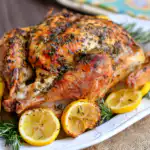
Imagine a Thanksgiving centerpiece that’s both stunningly beautiful and incredibly easy to make. This Easy Maple Glazed Turkey recipe delivers a perfectly roasted bird with a glistening, mahogany-brown skin that crackles with every slice. The sweet and tangy aroma of maple and orange will fill your home, promising a holiday meal that’s as delightful to smell as it is to eat. This recipe simplifies the traditional Thanksgiving turkey, making it accessible for cooks of all levels, ensuring a show-stopping main course without the stress.
Why You’ll Love This Recipe
- Effortless Elegance: This recipe is designed for simplicity without sacrificing flavor or presentation, making it perfect for busy holiday cooks.
- Irresistible Flavor & Texture: The combination of pure maple syrup, fresh orange juice, and savory aromatics creates a uniquely balanced sweet and tangy glaze that caramelizes beautifully on the skin, while the roasting method ensures moist, tender meat.
- Foolproof Results: With clear steps and precise temperature guidance, this recipe is incredibly reliable, minimizing the risk of dry or overcooked turkey.
- Aromatic Infusion: The simple additions to the cavity (apple, garlic, orange zest) subtly infuse the turkey with wonderful aromas as it roasts, enhancing the overall holiday dining experience.
- Perfect for Any Thanksgiving Table: Whether you’re a seasoned host or a first-time turkey maker, this easy recipe guarantees a delicious and memorable Thanksgiving dinner.
Ingredients Needed
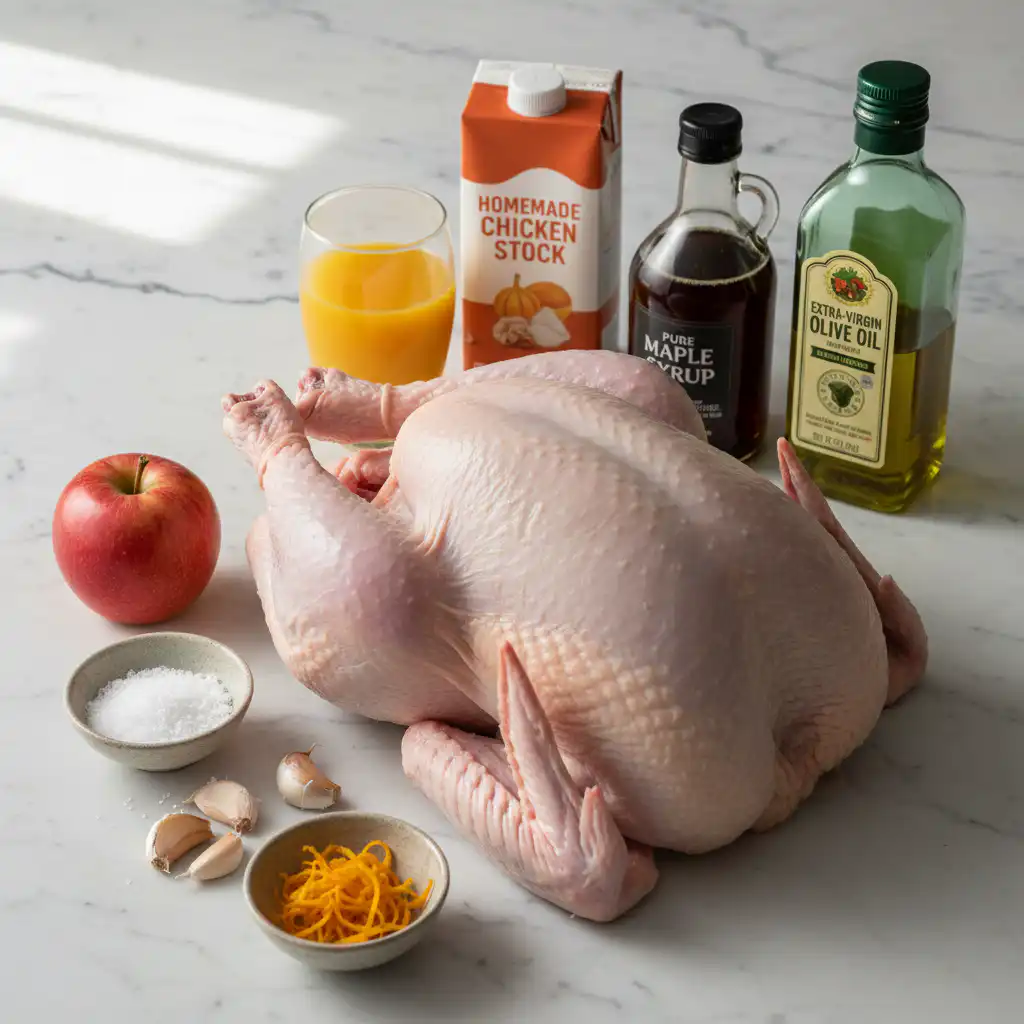
- One (10- to 12-pound) turkey
- 1 red apple (peeled)
- 1/3 cup extra-virgin olive oil
- 2 cloves garlic (crushed and peeled)
- Zest of 1 orange (preferably organic, removed in wide strips with a vegetable peeler)
- Sea salt
- 1/2 cup pure maple syrup
- 1/2 cup fresh orange juice
- 2 cups homemade chicken stock or canned chicken broth
Ingredient Notes & Substitutions
Turkey Size: A 10-12 pound turkey is ideal for this recipe, fitting most roasting pans and cooking within a manageable timeframe. Ensure your roasting pan is large enough.
Oil: Extra-virgin olive oil is recommended for its flavor, but a neutral oil like vegetable or canola oil can be substituted.
Citrus: While orange is specified for its sweetness and aroma, you can experiment with lemon or lime zest and juice for a tangier glaze. The key is the citrus’s bright acidity to cut through the richness of the turkey and maple.
Liquid Base: For the glaze, if you don’t have chicken stock, good quality vegetable broth or even water can be used, though chicken stock provides a richer base.
Sweetener: Pure maple syrup is key for authentic flavor. While other sweeteners like honey or brown sugar can be used, they will alter the taste profile.
How to Make Easy Maple Glazed Turkey
Step 1: Prep & Initial Roast
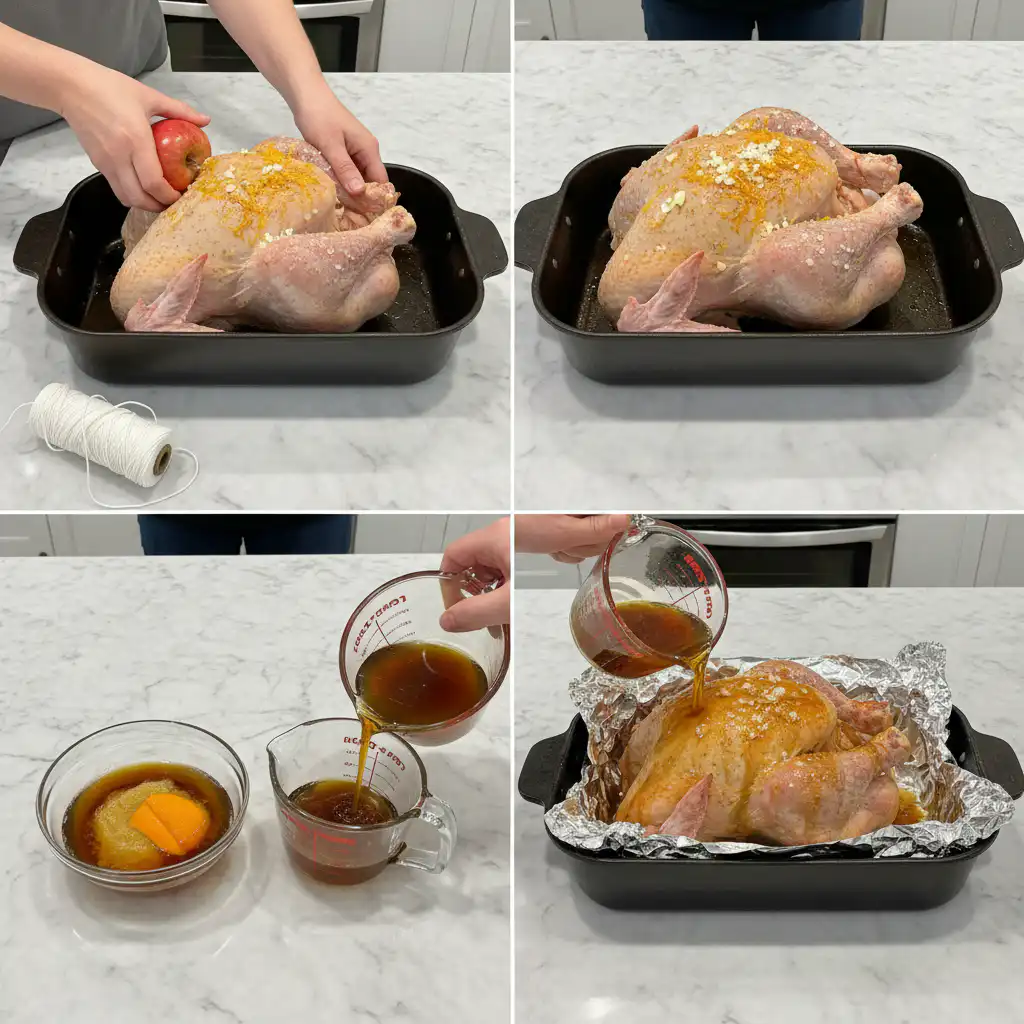
Preheat your oven to 400°F (204°C). Remove giblets from the turkey and pat it completely dry, inside and out, with paper towels (this is crucial for crispy skin!). Place the turkey in a large roasting pan. Stuff the peeled red apple into the cavity. Tie the turkey legs together with kitchen string. Rub the entire turkey with olive oil, ensuring all sides are coated. Rub the crushed garlic cloves and orange zest generously over the skin, followed by a liberal sprinkling of sea salt all over.
Step 2: First Roasting Phase
Place the turkey, breast-side up, in the roasting pan. Roast uncovered for 30 minutes at 400°F (204°C) to begin crisping the skin.
Step 3: Prepare the Glaze
While the turkey roasts, combine the pure maple syrup, fresh orange juice, and 1 cup of chicken stock in a bowl. Measure out 1 cup of this mixture into a separate cup. Add the remaining 1 cup of chicken stock to the bowl with the rest of the maple syrup mixture.
Step 4: Glazing and Lower Temperature Roasting
After the initial 30 minutes, carefully remove the turkey from the oven. Pour the reserved 1 cup of maple syrup mixture evenly over the turkey. Tightly cover the turkey and roasting pan with foil. Reduce the oven temperature to 325°F (170°C). Continue roasting for approximately 2 1/2 hours.
Step 5: Final Roasting & Crisping
Remove the foil. Pour the remaining maple syrup mixture over the turkey. Continue roasting uncovered for at least another 30 minutes, basting occasionally with the pan juices. The turkey is done when the skin is a beautiful mahogany brown and crisp, and an instant-read thermometer inserted into the thickest part of the thigh (avoiding bone) registers 145°F to 150°F (63°C to 66°C). Pro-Tip: If the skin starts to get too dark before the turkey reaches the target temperature, loosely tent the bird with foil.
Step 6: Rest the Turkey
Carefully transfer the roasted turkey from the pan to a clean cutting board or platter. Loosely tent it with foil and let it rest for 20 to 30 minutes. This crucial step allows the juices to redistribute, ensuring a moist and tender bird.
Step 7: Make the Pan Glaze
While the turkey rests, pour all the pan juices into a small saucepan. Skim off and discard excess fat from the surface. Bring the juices to a boil, then reduce heat and simmer until they thicken into a glossy glaze, about 15 to 30 minutes. Strain the glaze if desired for a smoother consistency.
Step 8: Carve and Serve
Carve the rested turkey. Arrange the carved meat on a platter. For an extra touch of flavor, drizzle some of the reduced pan glaze over the turkey. Serve the remaining glaze from the saucepan alongside the turkey for dipping.
Why Add Apple, Orange, and Garlic to the Cavity?
Aromatic Infusion: These ingredients are not meant to be eaten, but rather to impart subtle, aromatic flavors and moisture into the turkey as it roasts. The apple adds a touch of sweetness and moisture, the garlic provides a savory depth, and the orange zest offers a bright, fragrant citrus note that complements the maple glaze beautifully.
Enhanced Juiciness: As the ingredients heat up inside the cavity, they release steam, contributing to a more moist interior for the turkey.
Subtle Flavor Complexity: This simple aromatic stuffing elevates the turkey beyond plain roasted meat, creating a more complex and satisfying flavor profile without overpowering the star ingredients.
Achieving Perfectly Crispy Skin
Dry is Key: The absolute most critical step is patting the turkey thoroughly dry with paper towels before applying any oil or seasonings. Moisture is the enemy of crispiness.
High Initial Heat: Starting the roast at a higher temperature (400°F/204°C) helps to render the fat and crisp the skin quickly.
Uncovered Roasting: Roasting the turkey uncovered for the initial phase and again in the final stages allows heat to circulate and directly crisp the skin.
Strategic Basting: Baste with pan juices occasionally, especially in the final stages, but avoid over-basting once the skin starts to brown and crisp, as too much liquid can make it soggy.
Don’t Crowd the Pan: Ensure the turkey has enough space in the roasting pan for air to circulate around it.
Monitor and Tent: Keep an eye on the skin’s browning. If it’s getting too dark before the turkey is cooked through, loosely tent the affected areas with aluminum foil.
Pro Tips & Troubleshooting
Expert Tips for Success
Use an Instant-Read Thermometer: This is the most reliable way to ensure your turkey is cooked perfectly – not underdone or dry. Aim for 145°F-150°F (63°C-66°C) in the thigh before resting.
Resting is Non-Negotiable: Always rest the turkey for at least 20-30 minutes after removing it from the oven. This allows the juices to redistribute throughout the meat, resulting in a significantly more moist and tender bird.
Make the Pan Glaze Last: Simmering the pan juices at the end concentrates their flavor into a rich, glossy glaze that perfectly complements the turkey.
Don’t Fear the Foil: Use foil loosely tented over parts of the turkey if they are browning too quickly. It protects the skin while the inside finishes cooking.
Season Generously: Don’t be shy with the salt! Proper seasoning is essential for a flavorful turkey.
Pat, Pat, Pat!: Reiterate the importance of patting the turkey completely dry for crispy skin.
Common Mistakes to Avoid
Overcooking: The most common error leading to dry, tough turkey. Always rely on a thermometer.
Skipping the Rest: Carving too soon lets all the delicious juices run out, leaving the meat dry.
Soggy Skin: Usually caused by not drying the turkey sufficiently before roasting or covering it too early/too tightly with foil.
Inaccurate Temperature Checks: Not using an instant-read thermometer or not inserting it into the thickest part of the thigh (away from bone) can lead to under or overcooking.
Ignoring the Glaze: The pan juices, when reduced, create a fantastic, flavorful glaze that shouldn’t be missed.
Rushing the Process: Thanksgiving turkey takes time; allow for proper resting and cooking durations.
Serving & Storage
Serving Ideas
Classic Pairings: Serve slices of this maple glazed turkey with traditional Thanksgiving sides such as creamy mashed potatoes, savory stuffing, green bean casserole, sweet potato casserole, and cranberry sauce.
Garnish: Garnish the platter with fresh rosemary sprigs or orange slices for a festive touch.
Extra Glaze: Offer the reduced pan glaze in a separate serving dish for guests to drizzle over their turkey slices or use for dipping.
Beverage Pairings: Complement the meal with a crisp white wine like a Chardonnay or a light-bodied red like Pinot Noir. For non-alcoholic options, sparkling cider or cranberry juice are excellent choices.
Storage and Make-Ahead
Refrigeration: Store leftover turkey and glaze in airtight containers in the refrigerator for up to 3-4 days.
Reheating Turkey: Reheat carved turkey gently in the oven (covered with foil and a little broth or water) at 300°F (150°C) until warmed through. Alternatively, reheat in a skillet over medium-low heat with a splash of broth.
Reheating Glaze: Gently warm the leftover glaze on the stovetop or in the microwave.
Make-Ahead Glaze: The maple syrup and orange juice components of the glaze can be mixed a day ahead and stored in the refrigerator. Add the chicken stock just before using. The final pan glaze can also be made ahead and reheated.
Conclusion
This Easy Maple Glazed Turkey recipe offers a perfect balance of delightful flavor, beautiful presentation, and straightforward preparation. By following these simple steps, you’re guaranteed a moist, tender turkey with irresistibly crispy, caramelized skin, making your Thanksgiving celebration a resounding success. Enjoy the stress-free cooking and the delicious results!
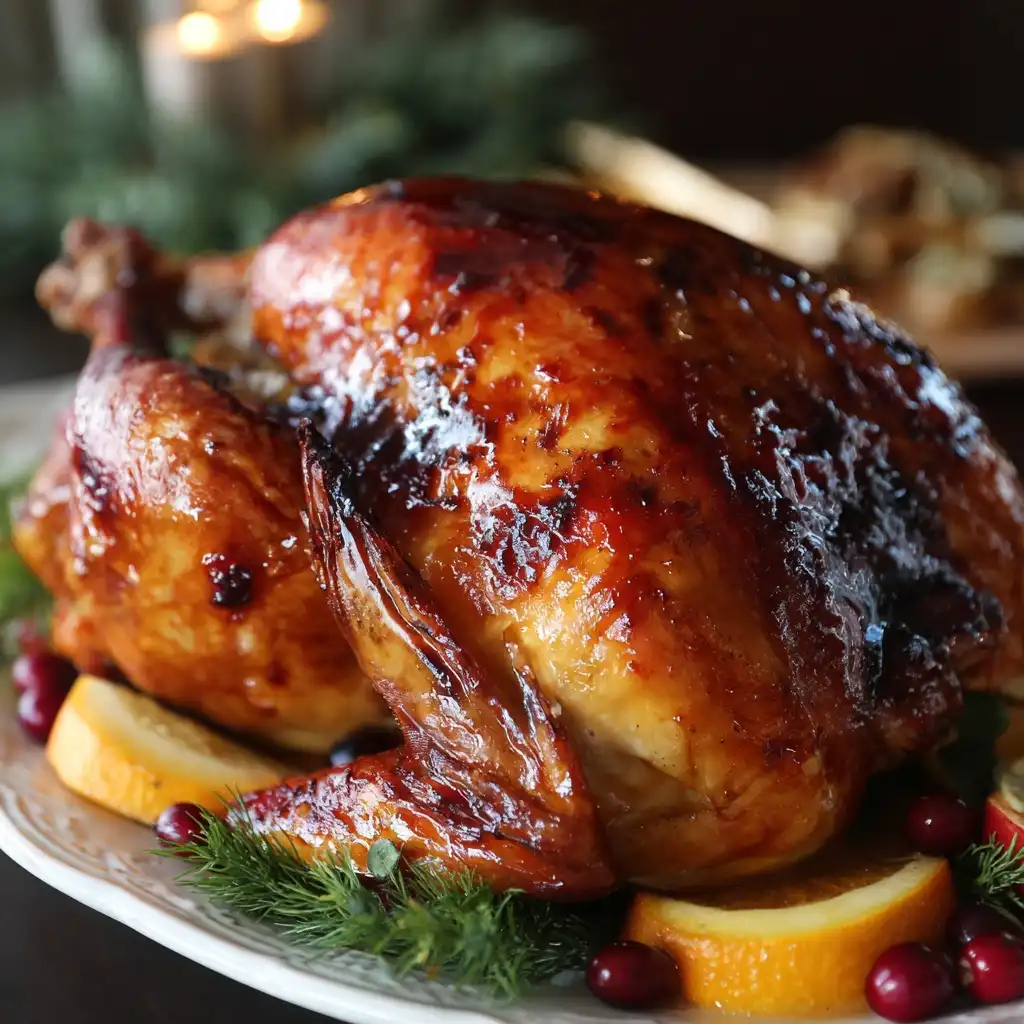
Easy Maple Glazed Turkey for Thanksgiving
Ingredients
Equipment
Method
- Preheat your oven to 400°F (204°C). Remove giblets from the turkey and pat it completely dry, inside and out, with paper towels. Place the turkey in a large roasting pan. Stuff the peeled red apple into the cavity. Tie the turkey legs together with kitchen string. Rub the entire turkey with olive oil, ensuring all sides are coated. Rub the crushed garlic cloves and orange zest generously over the skin, followed by a liberal sprinkling of sea salt all over.
- Place the turkey, breast-side up, in the roasting pan. Roast uncovered for 30 minutes at 400°F (204°C) to begin crisping the skin.
- While the turkey roasts, combine the pure maple syrup, fresh orange juice, and 1 cup of chicken stock in a bowl. Measure out 1 cup of this mixture into a separate cup. Add the remaining 1 cup of chicken stock to the bowl with the rest of the maple syrup mixture.
- After the initial 30 minutes, carefully remove the turkey from the oven. Pour the reserved 1 cup of maple syrup mixture evenly over the turkey. Tightly cover the turkey and roasting pan with foil. Reduce the oven temperature to 325°F (170°C). Continue roasting for approximately 2 1/2 hours.
- Remove the foil. Pour the remaining maple syrup mixture over the turkey. Continue roasting uncovered for at least another 30 minutes, basting occasionally with the pan juices. The turkey is done when the skin is a beautiful mahogany brown and crisp, and an instant-read thermometer inserted into the thickest part of the thigh (avoiding bone) registers 145°F to 150°F (63°C to 66°C). If the skin starts to get too dark before the turkey reaches the target temperature, loosely tent the bird with foil.
- Carefully transfer the roasted turkey from the pan to a clean cutting board or platter. Loosely tent it with foil and let it rest for 20 to 30 minutes. This crucial step allows the juices to redistribute, ensuring a moist and tender bird.
- While the turkey rests, pour all the pan juices into a small saucepan. Skim off and discard excess fat from the surface. Bring the juices to a boil, then reduce heat and simmer until they thicken into a glossy glaze, about 15 to 30 minutes. Strain the glaze if desired for a smoother consistency.
- Carve the rested turkey. Arrange the carved meat on a platter. For an extra touch of flavor, drizzle some of the reduced pan glaze over the turkey. Serve the remaining glaze from the saucepan alongside the turkey for dipping.