Medical Disclaimer: The information provided on this site is for educational and informational purposes only and does not constitute medical advice. Always consult with a healthcare professional before making significant changes to your diet or lifestyle.
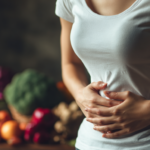
If you are on a GLP-1 medication for weight management or blood sugar control, you already know that your digestion has changed completely. With food moving significantly slower through your system, maintaining a healthy gut is no longer just a trend. It is absolutely essential for avoiding severe bloating, nausea, and discomfort.
Quick Answer: The best GLP-1 probiotic strategy is focusing on living, fermented foods (like water kefir, raw sauerkraut, and Greek yogurt) rather than expensive pill supplements. Foods provide a diverse spectrum of bacteria that are more likely to survive stomach acid and actively colonize a slowed digestive tract.
For months, I spent a small fortune on high-end probiotic pills, hoping they would settle my stomach. But after diving deep into the nutritional research, I threw them all away. Here is what clinical studies actually suggest about healing your microbiome while on GLP-1 medications.
Why Your GLP-1 Gut Needs Extra Support
Medications like semaglutide work partially by delaying gastric emptying. While this is fantastic for feeling full, it means food sits in your digestive tract for a much longer period.
According to researchers studying GLP-1 therapies, a slower digestive tract can lead to a severe imbalance of bacteria. When food ferments in your stomach for too long, it can cause the painful sulfur burps and severe gas that so many people complain about.
This is exactly why you need a powerful “glp 1 probiotic” strategy. You need beneficial bacteria to help break down that food efficiently and keep the gut lining healthy.
The Problem with Probiotic Pills
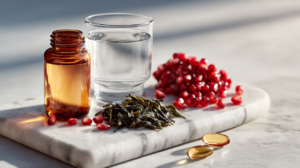
Walk into any health food store, and you will see shelves packed with expensive probiotic supplements. The problem? Many of these are essentially useless by the time you take them.
Current nutritional consensus shows that many encapsulated bacteria strains cannot survive the harsh, highly acidic environment of the human stomach. Even if they do survive, they are often isolated strains that do not provide the massive diversity your microbiome craves.
If your digestion is already compromised, dropping a pill full of dead bacteria into a slow-moving stomach is not the answer.
What I Eat Instead: The Power of Fermented Foods
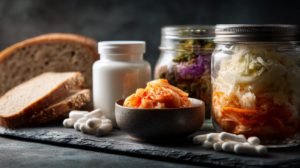
As a home chef who focuses entirely on anti-inflammatory nutrition, I realized that the best glp 1 probiotic was not in the supplement aisle. It was in my kitchen.
Living, fermented foods contain naturally occurring bacteria that are robust, diverse, and ready to colonize. Because these foods are already partially broken down by the fermentation process, they are incredibly gentle on a sensitive digestive system. Harvard Health researchers agree that naturally fermented foods offer unmatched benefits for restoring gut flora.
Here are the top natural sources I rely on:
1. Plain, Unsweetened Greek Yogurt or Skyr
These are packed with active cultures and double as a phenomenal source of high-quality protein, which is critical for preventing muscle loss on these medications.
2. Raw, Unpasteurized Sauerkraut
You only need a forkful a day. The lactic acid bacteria in raw cabbage are some of the most resilient probiotics found in nature. Make sure you buy it from the refrigerated section, as the shelf-stable jars have been pasteurized, which kills the beneficial bacteria.
3. Water Kefir
If dairy bothers you, water kefir is a game changer. It is a lightly carbonated, fermented beverage that is incredibly easy to make at home and provides a massive dose of diverse probiotic strains.
How to Start Without Making Things Worse
If your gut is currently a mess, do not suddenly eat an entire bowl of sauerkraut. According to gastroenterology experts, introducing massive amounts of probiotics too quickly can actually cause a temporary increase in gas and bloating.
Start very slow. Have two tablespoons of yogurt or one forkful of fermented vegetables a day, and monitor how your digestion responds.
Frequently Asked Questions (FAQ)
Can I take probiotics with semaglutide?
Yes, clinical consensus suggests that supporting your gut microbiome is highly beneficial when taking medications that slow gastric emptying. However, prioritize natural food sources over supplements.
What is the best probiotic for a GLP-1 stomach?
The most effective probiotics are diverse, living strains found in fermented foods like raw sauerkraut, kefir, and active-culture yogurts, as they are more likely to survive stomach acid.
Does a GLP-1 change your microbiome?
Emerging studies suggest that significant weight loss and changes in gastric emptying can alter the composition of your gut bacteria, making proactive microbiome support very important.