Looking for a simple, foolproof way to make restaurant-quality pan seared salmon? Look no further! This recipe delivers a delicious, crispy, golden-brown crust with tender, flaky fish inside. Whether it’s a quick weeknight dinner or an elegant meal for guests, this recipe guarantees perfection with minimal effort and maximum flavor.
Why You’ll Love This Recipe
- Crisp on the outside, flaky on the inside: Enjoy a golden crust paired with tender, melt-in-your-mouth salmon.
- Quick and easy preparation: Ready in just 10 minutes from start to finish. For additional quick seafood recipes, visit quick and easy seafood dishes.
- Restaurant-quality results at home: Impress your guests with minimal effort and maximum flavor.
- Versatile meal: Easily pair this salmon with your favorite sides or salads for a complete meal.
Ingredients Needed
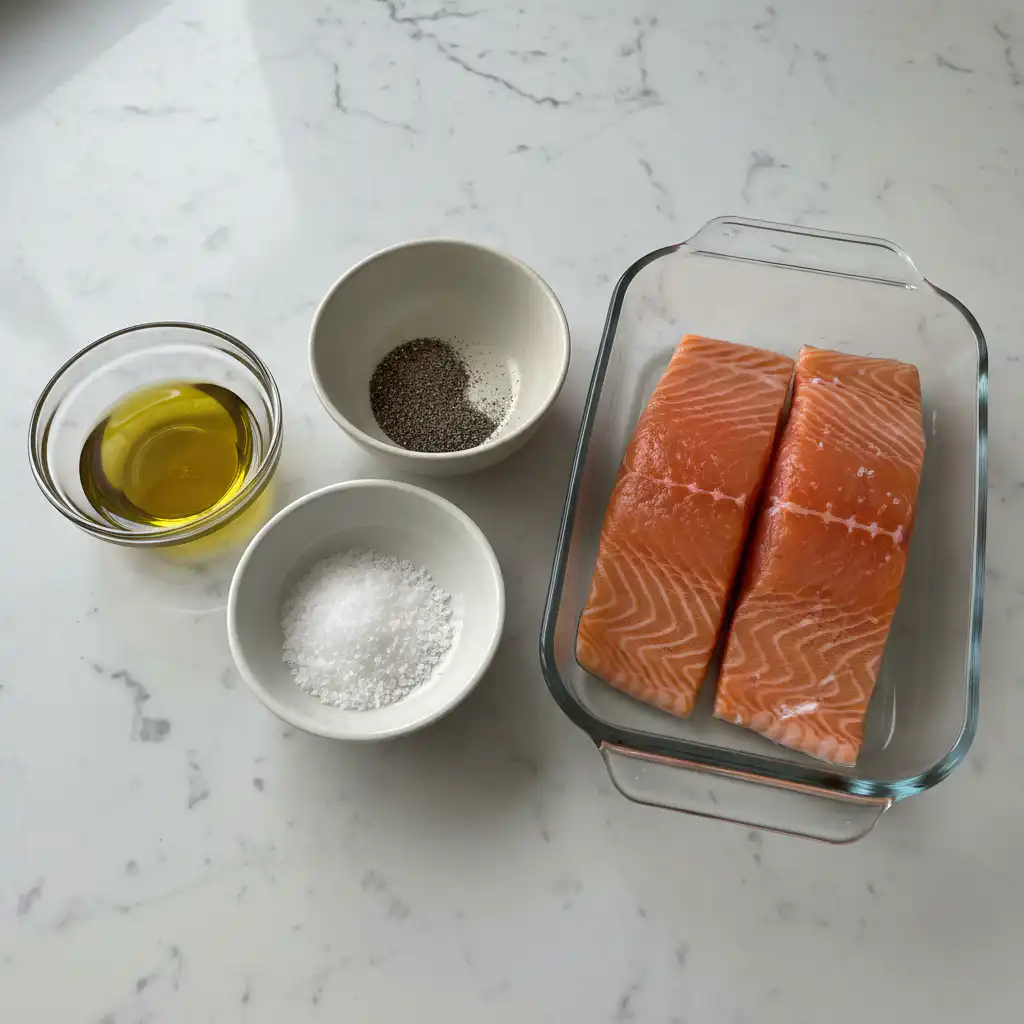
- 1 tablespoon extra-virgin olive oil
- ½ teaspoon kosher salt
- Freshly ground black pepper
- 4 (6-oz) salmon fillets, 1¼-in (3-cm) thick (I have my fishmonger remove the skin, but it’s fine to leave it on if you like)
Ingredient Notes & Substitutions
Salmon: Using skin-on fillets will give you a crispy, delicious skin. If you’re using frozen fillets, ensure they’re completely thawed and thoroughly patted dry before cooking. Discover more tips for working with frozen fish at how to cook frozen fish properly.
Kosher Salt: Its larger grains make it ideal for this recipe. Sea salt works well too, while table salt should be avoided due to its finer texture.
Olive Oil Alternatives: For high-heat cooking, consider avocado oil or refined grapeseed oil, as they handle heat well and prevent smoking.
Seasonings: While salt and pepper are classic, you can add dimension with garlic powder, smoked paprika, or a pinch of chili powder. Learn how to enhance salmon’s flavor with seasoning ideas at creative seasoning options for salmon.
How to Make Pan Seared Salmon
Step 1: Season the Salmon
Generously sprinkle the salmon fillets with kosher salt and a few grinds of freshly ground black pepper. This simple seasoning highlights the natural flavors of the fish.
Step 2: Heat the Skillet
In a 12-inch (30-cm) nonstick skillet, heat 1 tablespoon of olive oil over medium-high heat. Let the oil heat until it’s hot and shimmering, but not smoking.
Step 3: Sear Skin-Side Up
Carefully place the salmon fillets skin-side up into the hot skillet. Leave them undisturbed for about 4 minutes to form a beautiful golden-brown crust on the surface.
Step 4: Flip and Lower Heat
Using a spatula or tongs, gently flip the fillets to cook them skin-side down. Immediately lower the heat to medium to prevent overcooking.
Step 5: Finish Cooking
Cook the salmon for an additional 4 to 5 minutes, adjusting for your desired doneness. The fish should flake easily with a fork and appear opaque in the center.
Step 6: Serve Immediately
Transfer the fillets to a platter and serve them hot while the crust remains crisp and flavorful.
Perfect Your Pan Seared Salmon
Sensory Experience and Flavor Notes
The first bite reveals a luscious crunch followed by a buttery, flaky texture. The simplicity of the seasoning enhances the salmon’s natural taste without overwhelming its delicate flavor. Add a bright accent with a squeeze of lemon or serve alongside fresh herbs for balance.
Recommended Oil & Spice Combinations
- High-smoke-point oils: Avocado oil or canola oil are great alternatives to olive oil for high-temperature cooking.
- Flavorful spice blends: Try a sprinkle of chili powder for a smoky touch or add rosemary for an earthy aroma.
Pro Tips & Troubleshooting
Pro Tips
- Preheat properly: Ensure the skillet and oil are hot before adding the salmon for that perfect golden crust.
- Pat dry: Remove surface moisture from the fish to help achieve a crisp sear.
- Don’t overcrowd: Leave space between fillets to maintain even heat distribution.
- Check doneness: Use an instant-read thermometer to verify that the internal temperature reaches 130–145°F for perfectly cooked salmon.
Common Mistakes to Avoid
- Underheated pan: A pan that isn’t hot enough won’t create the desired golden crust.
- Premature flipping: Allow the crust to form undisturbed before flipping the fillets.
- Low smoke-point oil: Butter or other low smoke-point oils may burn and affect the flavor, so use oils like olive or avocado instead.
- Overcooking: Keep cooking time in check to avoid drying out the fish.
Serving & Storage
Serving Ideas
- Pair your pan seared salmon with roasted vegetables such as asparagus, Brussels sprouts, or carrots.
- Serve atop a bed of rice pilaf, warm couscous, or creamy mashed potatoes for a complete meal. If you’re planning mashed potatoes, check out tips for creamy mashed potatoes.
- For added flavor, include a squeeze of fresh lemon juice or a drizzle of olive oil.
- Balance the richness of the salmon with a light side salad dressed in a tangy vinaigrette.
Storage and Make-Ahead Tips
Refrigerating: Place leftovers in an airtight container and store in the refrigerator for up to 3 days.
Freezing: Once cooled, put the salmon in a freezer-safe bag and freeze for up to 2 months. Thaw overnight in the refrigerator before reheating.
Reheating: Use a 300°F oven for 10–15 minutes or warm it gently in a skillet over low heat for the best texture.
FAQ
What temperature should I cook salmon to?
Cook salmon to an internal temperature of 130–145°F to ensure it’s safe to eat while maintaining a tender, flaky texture.
Can I use a cast iron skillet instead of a nonstick pan?
Yes, a well-seasoned cast iron skillet works well for searing salmon. Just be sure it’s properly preheated to avoid sticking and achieve a good sear.
How do I know when salmon is fully cooked?
The salmon is ready when the flesh turns opaque and flakes easily with a fork. Gently press the top; it should feel firm to the touch.
How can I prevent salmon from sticking to the pan?
Ensure the pan is thoroughly preheated and the oil is shimmering before adding the salmon. Dry the fillets well and avoid moving them during cooking for the best results.
Should I use skinless or skin-on salmon for pan searing?
Both options are great. Skin-on salmon adds an extra layer of crispiness, while skinless allows you to focus entirely on achieving a golden crust on the exposed flesh.
What is the best type of oil to use for searing salmon?
Extra-virgin olive oil is an excellent choice, but high smoke-point oils like avocado or grapeseed oil are great alternatives for higher heat cooking without smoking.
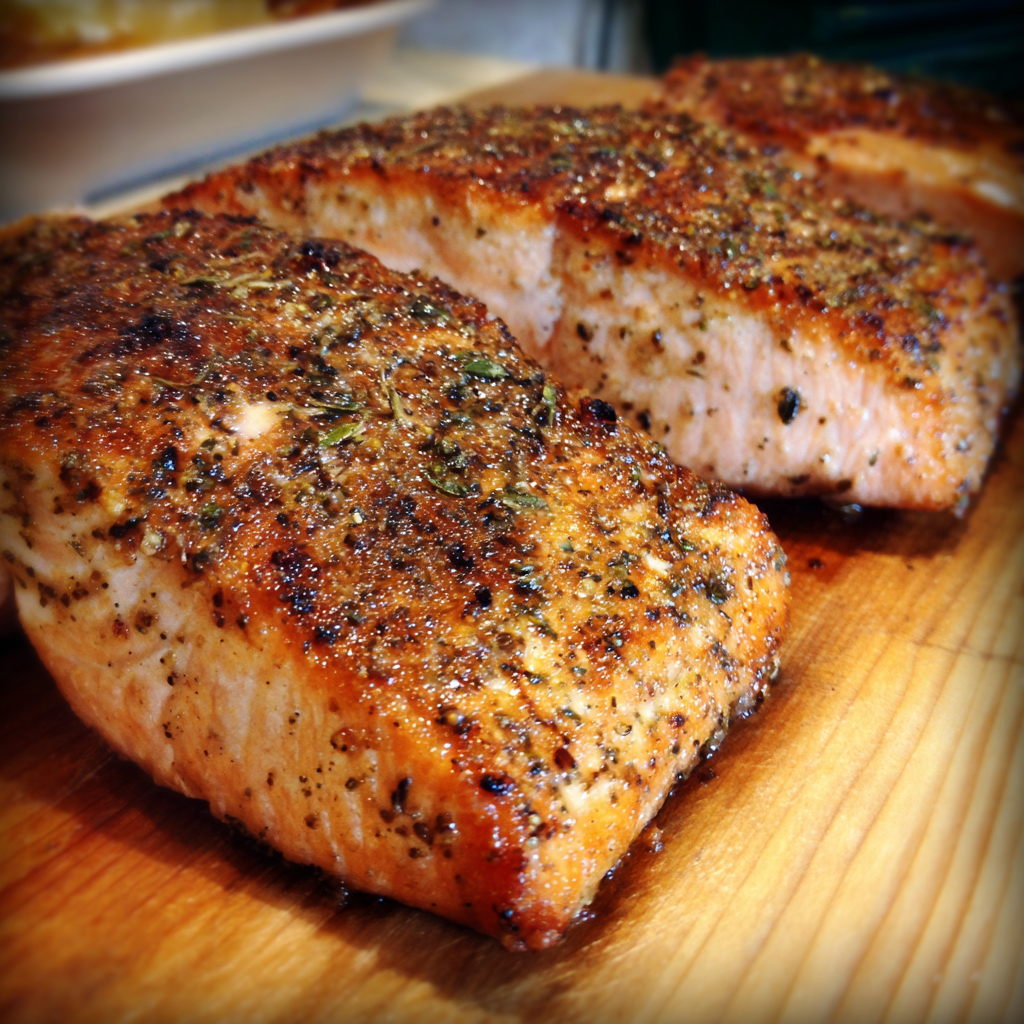
Perfect Pan Seared Salmon
Ingredients
Equipment
Method
- Generously sprinkle the salmon fillets with kosher salt and a few grinds of freshly ground black pepper to highlight the natural flavors of the fish.
- In a 12-inch (30 cm) nonstick skillet, heat 1 tablespoon of olive oil over medium-high heat. Let the oil become hot and shimmering but not smoking.
- Place the salmon fillets skin-side up into the hot skillet carefully. Let them cook undisturbed for about 4 minutes to form a golden-brown crust.
- Flip the fillets gently using a spatula or tongs. Lower the heat immediately to medium and continue cooking.
- Cook the salmon for an additional 4–5 minutes, checking for your desired doneness. The fish should flake with a fork and appear opaque in the center.
- Transfer the fillets to a serving platter immediately while the crust stays crispy and serve hot.